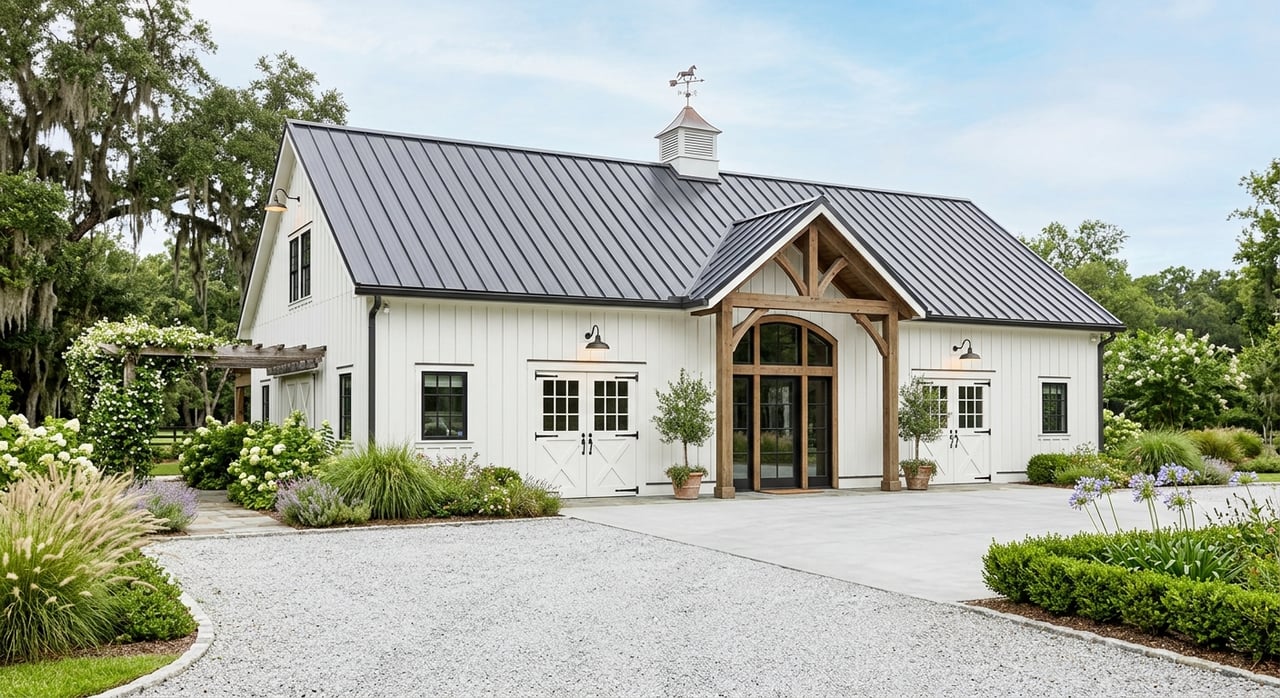
A Buyer’s Guide to Milton GA Equestrian Properties
Dreaming of a horse property in Milton is the easy part. Knowing whether a parcel truly works for barns, turnout, riding, and future improvements is where the real work begins. If you want equestrian-friendly living without costly surprises, this guide will help you understand what to look for, what to verify, and how to think beyond simple acreage numbers. Let’s dive in.
Milton’s equestrian identity is built into the city’s character, not treated as a niche feature. The city maintains an Equestrian Committee, and a 2024 census found more than 200 active horse farms around Milton.
That matters when you are buying because it points to a community where horse properties are part of the local landscape. Instead of isolated pockets, horse farms are dispersed throughout the city, which gives buyers more variety in setting, parcel type, and property style.
Milton also connects its rural identity to trail access. The city’s Trails Advisory Committee works to preserve Milton’s rural nature through a trail network that supports walking, biking, and horseback riding.
For public riding access, Birmingham Park stands out as a major local asset. The city describes it as about 200 acres in northwest Milton with nine multi-use natural trails used by equestrians and hikers, and city guidance says horses are preferred on marked trails during daylight hours.
If you are focused on a more rural setting, Arnold Mill deserves a close look. The city says much of this area is zoned AG-1, and the Rural Milton Overlay was created to preserve rural crossroads communities, agricultural-related uses, and the area’s informal rural character.
For equestrian buyers, that can be appealing. It also means you need to study zoning and overlay rules carefully, because the character protections that make an area attractive can also shape what you can build and how you can use the land.
A common mistake is assuming that a large lot automatically works for horses. In Milton, the smarter starting point is zoning.
AG-1 is the city’s most common zoning designation, and city materials describe AG-1 lots as having a minimum size of 1 acre. Even so, Milton has continued discussing and amending AG-1 standards in 2025 and 2026, so you should verify the current code instead of relying on a simple rule of thumb.
On paper, 1 acre may sound straightforward. In practice, lot dimensions, setbacks, buffers, and access can change how much of that land is actually usable.
Milton staff described current AG-1 setbacks in 2025 as 60 feet in front and 50 feet in the rear. Once you factor in those setbacks along with driveways, accessory structures, and tree-save areas, the true buildable envelope may be much smaller than the parcel size suggests.
If a property sits within the Rural Milton Overlay, you have another layer of rules to review. The overlay use table lists barns and riding areas among permitted uses, but it also distinguishes between uses allowed by right and uses that still require a use permit.
That distinction matters if you are planning more than a simple home purchase. A parcel may look ideal for a barn, paddocks, or a future arena, but your plans should be checked against the overlay before you commit.
For equestrian buyers, the most important number is often not total acreage. It is usable acreage.
A property can look generous in a listing photo or tax record but still have major limits once setbacks, buffers, stream constraints, and access patterns are mapped out. That is why you want to study a survey, zoning details, and the site layout together.
Milton’s rural overlay includes specific fence and buffer standards that can affect pasture design. Allowed fence styles include split-rail, stacked-stone or brick-column styles, vegetative hedges, 3-4 rail fences, horse wire, and no-climb wire.
Barbed wire is generally prohibited except when it is part of an agricultural use. The overlay can also require 50-foot or 75-foot undisturbed buffers on some sites, which can significantly reduce usable pasture or future building area.
If you only plan for your immediate needs, you may limit your future options. It is wise to think through barn placement, turnout areas, trailer access, parking, and any potential additions before closing.
That kind of planning fits especially well with a design-minded buying approach. A parcel should not just fit your current lifestyle. It should also support the way you may want to use the property later.
On acreage, improvements often involve more than one layer of approval. That is especially true if you are considering grading, clearing, utility work, or septic-related changes.
Milton requires a land disturbance permit when a project disturbs more than 1 acre, lies within 200 feet of state waters, or creates more than 5,000 square feet of new impervious surface. For a buyer considering barn pads, driveway extensions, or pasture grading, that threshold is important.
Milton also requires tree-removal permits for protected trees 15 inches DBH and larger, along with some smaller canopy trees or trees located in landscape or stream buffers. On a horse property, tree clearing, grading, and drainage planning often need to be considered together.
That can affect both cost and timing. What looks like a simple cleanup project may involve permits and a more detailed site plan.
Fulton County can add another layer if the property is served by septic or if retaining-wall work is needed. County permit instructions say septic permit proof and a Health Staff renovation approval letter may be needed for additions, renovations, fences, walls, or pools on septic-served properties.
The county also says retaining walls over 4 feet generally require permits. If you are evaluating a sloped property or considering site improvements, those details should be part of your due diligence early.
The purchase price is only part of the financial picture for an equestrian property. Ongoing ownership costs, land use, and possible tax treatment also deserve attention.
Georgia’s Department of Revenue says qualifying conservation-use land is assessed at 40 percent of current use value under a 10-year covenant. Milton also notes that Fulton County manages CUVA for local parcels.
For some buyers, CUVA may be part of the long-term ownership strategy. But it is not automatic, and the covenant requirements should be understood before you rely on that benefit in your planning.
If tax treatment is a meaningful factor in your decision, it is worth confirming whether the parcel qualifies and whether the ownership structure and land use align with the program requirements.
Milton’s city FAQ says that, except in agricultural zones and certain commercial horse-related exceptions, a single premises may keep no more than five horses, mules, asses, or cows. The city also notes that square-footage rules apply on non-AG-1 land.
That means the same horse plan may work on one property and not on another. Buyers should confirm not only lot size, but also whether the zoning classification supports their intended use.
Before you move forward on an equestrian property in Milton, make sure you can answer a few practical questions with confidence.
Equestrian-friendly living in Milton can be rewarding, but it works best when you look at the property as both a home and a land-planning decision. Zoning, setbacks, buffers, trail access, permits, and future flexibility all shape whether a parcel truly fits your goals.
That is why a careful, design-minded approach can make such a difference. When you evaluate how a property lives on paper and on the ground, you put yourself in a stronger position to buy with clarity.
If you are exploring horse-friendly homes or land in Milton and want clear guidance on how a property’s layout, zoning, and future potential fit your goals, connect with Darron O'Bonnon Real Estate.

Whether you're in the research phase at the beginning of your real estate search or know exactly what you're looking for, you'll benefit from having a real estate professional.