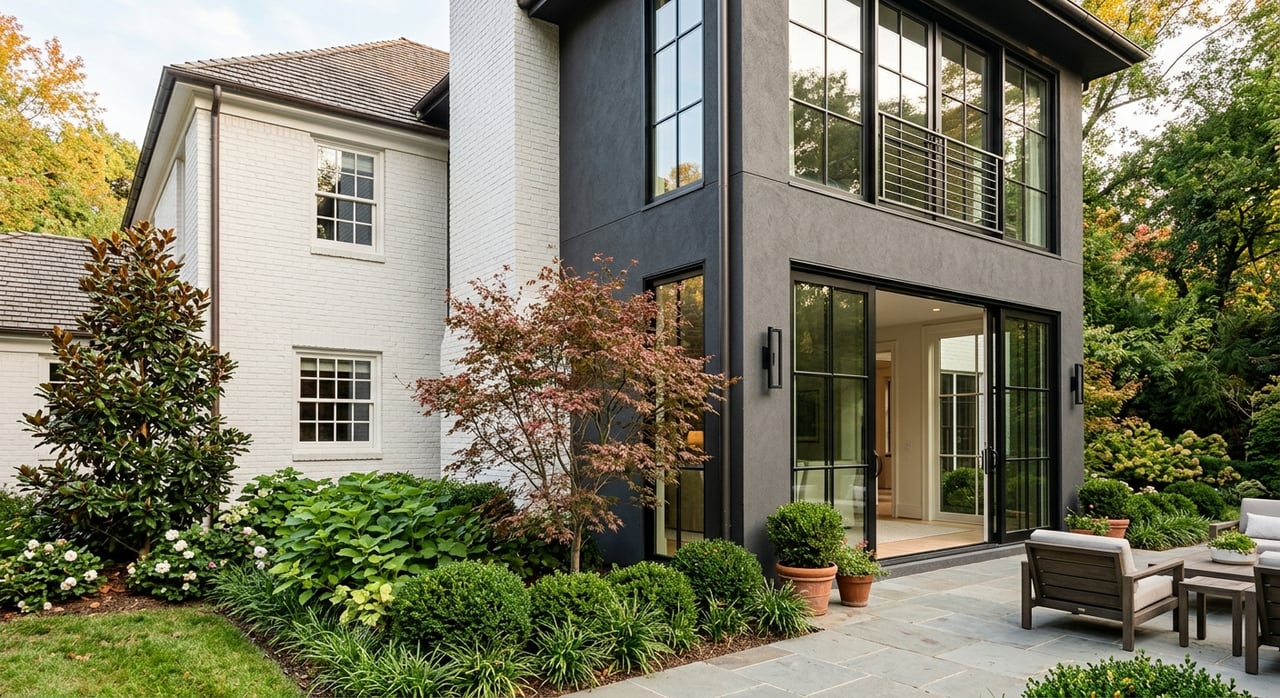
Milton Custom Build vs Renovate in Estate Neighborhoods
Trying to decide whether to custom build or renovate in Milton’s estate neighborhoods? It is a bigger question than style alone. In Milton, lot conditions, tree rules, drainage review, and the city’s low-density land-use framework can shape what is realistic before you ever choose finishes or floor plans. This guide will help you compare both paths, understand the local factors that matter most, and make a more confident decision. Let’s dive in.
Milton is not a typical suburban build environment. The city’s land-use framework is built around preserving a rural, low-density character, and more than 90% of land within city limits is designated low or very low-density residential.
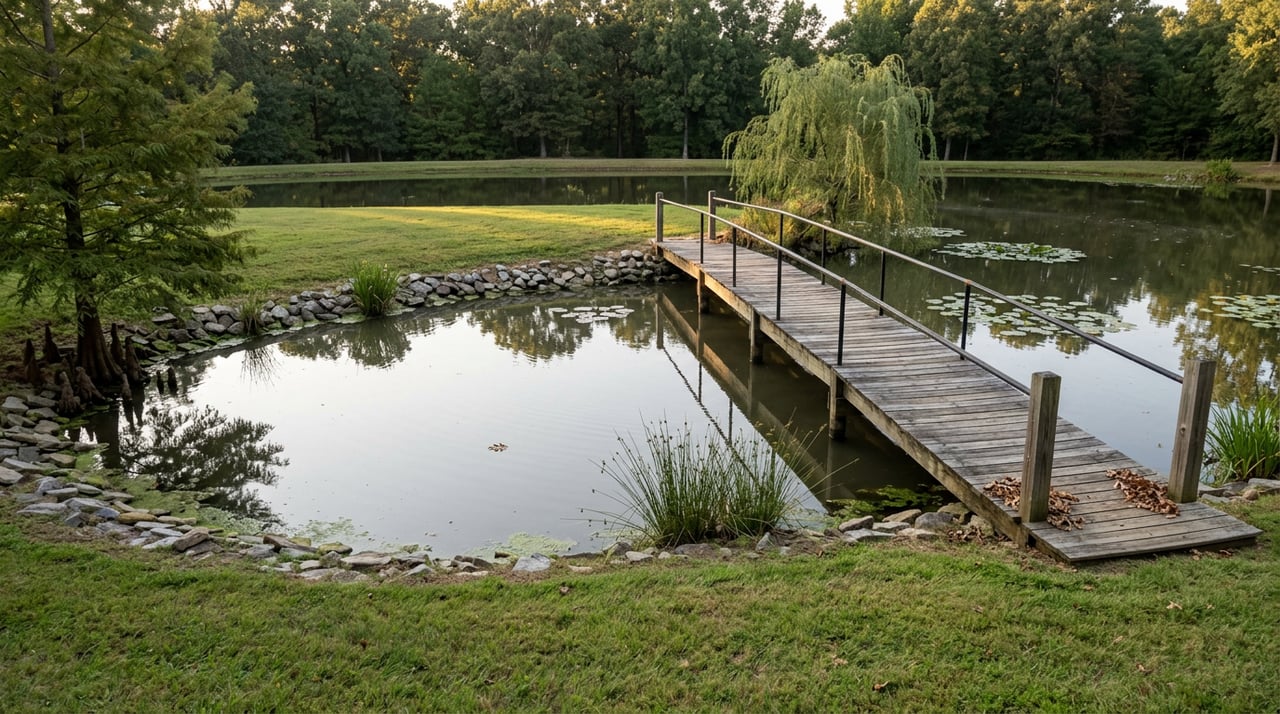
That matters because an estate neighborhood in Milton often comes with more site-related considerations than buyers expect. In Agriculture, Equestrian, Estate Residential areas, homes are generally scattered on at least one acre, often several acres, and some minimum lot patterns are even larger depending on the road and district context.
It also helps to know that not every area functions the same way. Crabapple and Deerfield operate under form-based codes, so zoning and overlay review can matter more than the neighborhood name itself when you evaluate what can be built or changed.
Custom building is usually the stronger path when you want a very specific result that an existing house cannot easily deliver. That could mean a certain footprint, a better garage layout, stronger indoor-outdoor flow, or a more intentional energy strategy.
In Milton, lot orientation can be a real advantage if you want to design around daylight and passive solar principles. The U.S. Department of Energy notes that passive-solar and daylight-oriented design benefits from unobstructed southern exposure, and lots that run deeper from north to south can be especially helpful.
Custom building can also make sense when the existing house is functionally obsolete. If the current layout, structural limitations, or placement on the lot work against your goals, starting fresh may create a better long-term outcome.
In Milton, a custom build is not just about imagination. It is also about what the site can support after you account for trees, drainage, setbacks, and permit review.
Protected trees are a major factor. The city requires approval before removing trees that are 15 inches DBH or larger, and permits can also apply to small canopy trees 8 inches and larger, as well as trees within landscape and stream buffers.
Replacement may also be required depending on the lot, canopy coverage, and zoning. If you are considering a teardown and rebuild, tree strategy should be part of your early due diligence, not an afterthought.
Stormwater and land-disturbance review are also tied to new development. The city fee schedule includes a $350 site fee, a $25 administrative fee, a $50 certificate of occupancy fee, plan-review tiers for a new house, and a $300 local land-disturbance application fee per acre.
If the project begins with removing the current home, Milton also lists a separate demolition permit fee for a single-family house. All building and renovation permit applications go through the CityView Web Portal, and once a permit is accepted for review, the city says approval or revision comments are issued within 10 business days.
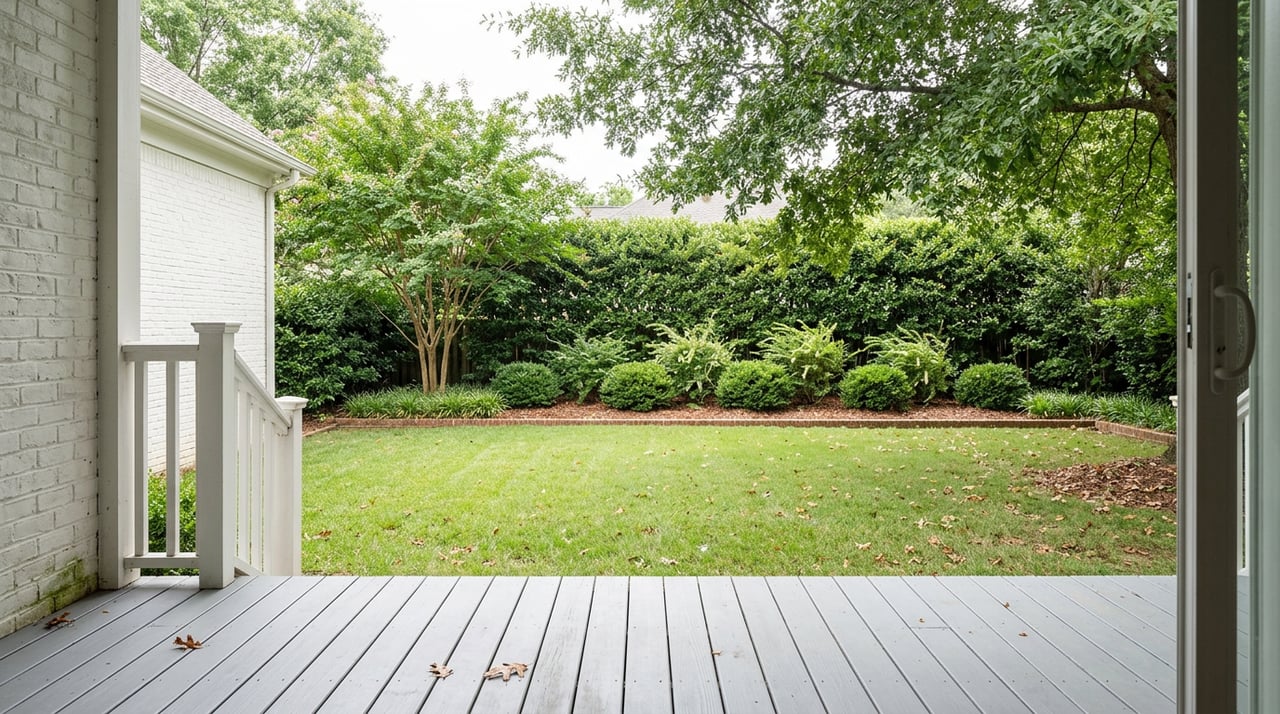
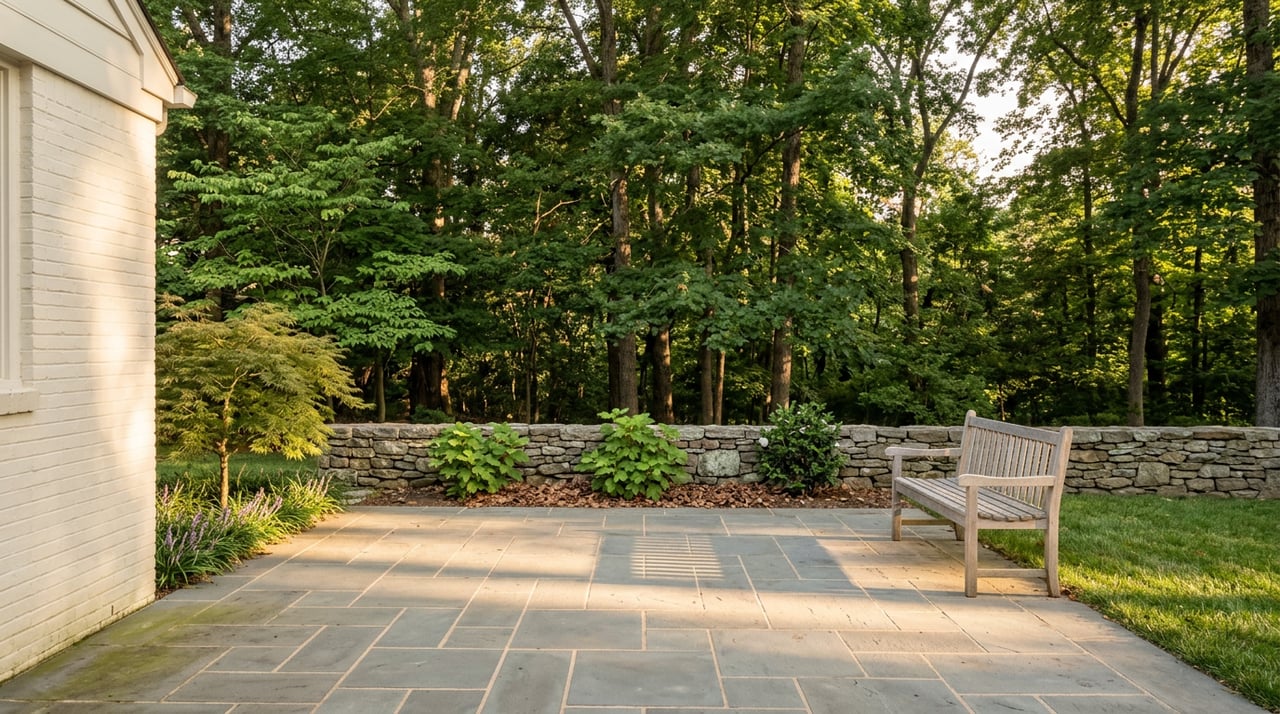
Renovation often makes more sense when the home already sits well on the lot and the overall architecture still works for your goals. In many Milton estate settings, the mature landscape and established setbacks are part of the property’s value.
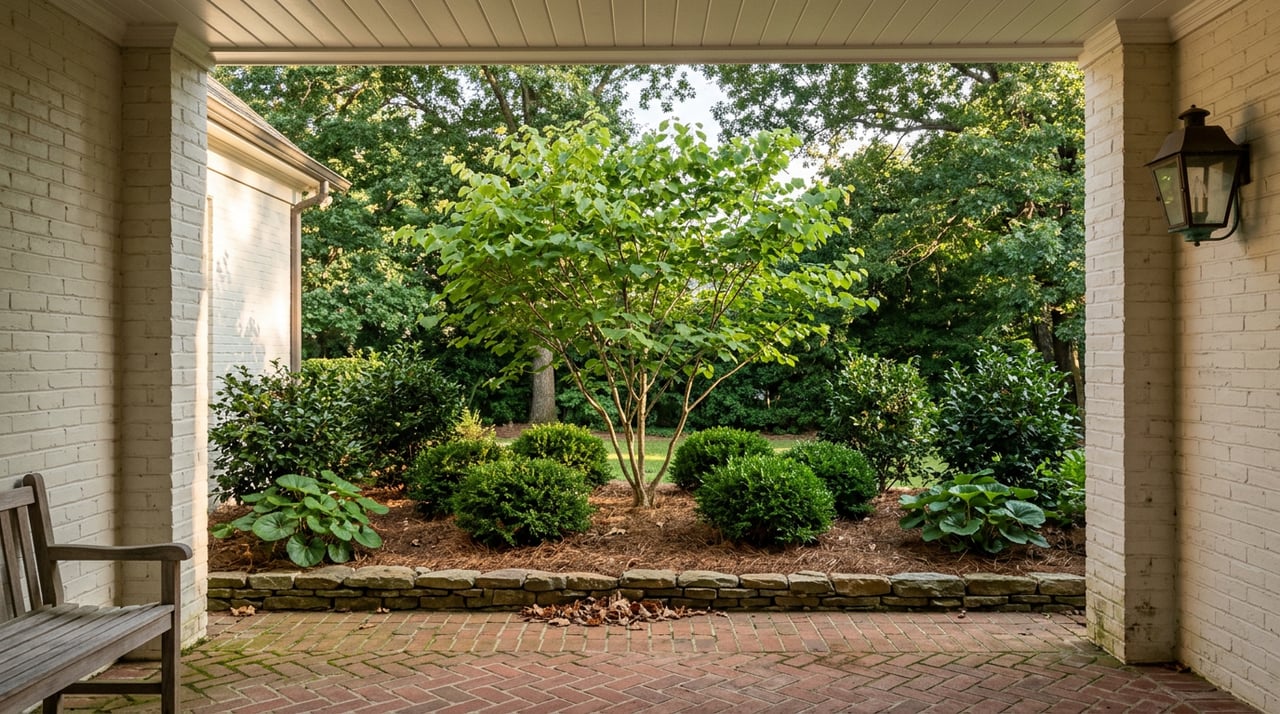
If the shell is solid and the street presence feels timeless, renovation can preserve what is already working while improving how the home lives. That can be especially appealing if you want to keep established trees and avoid the broader site disturbance that often comes with a teardown.
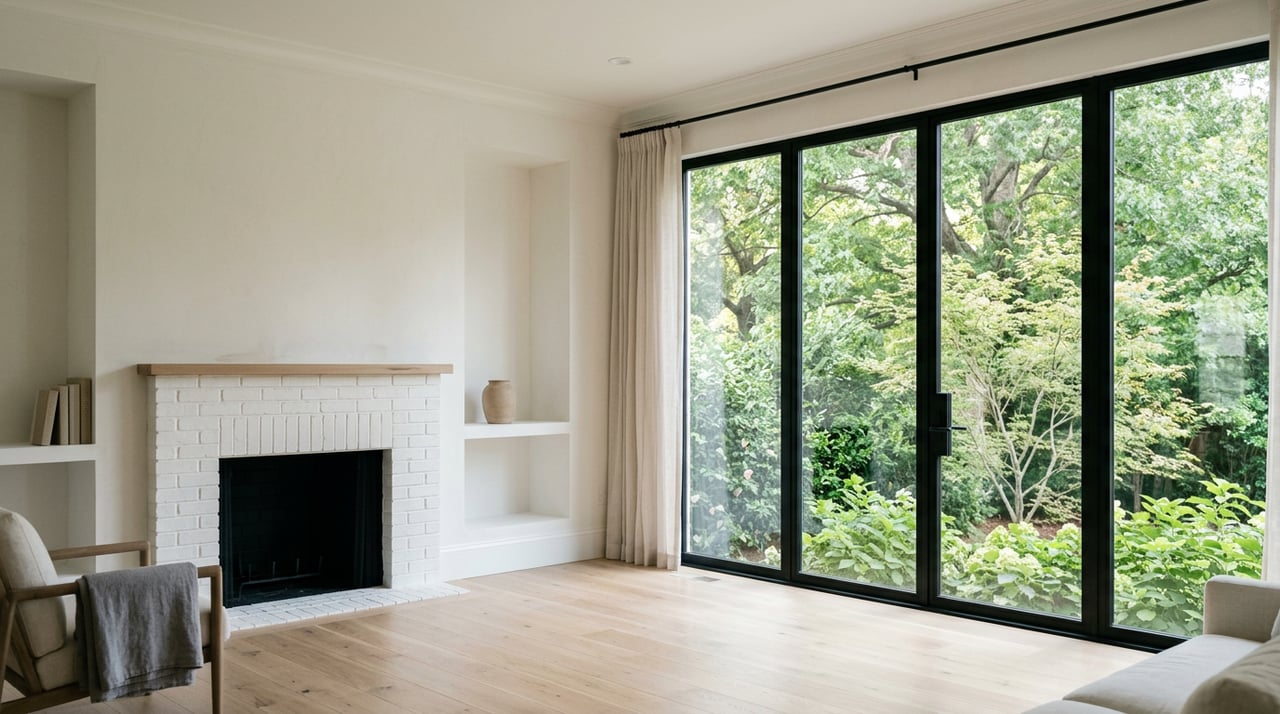
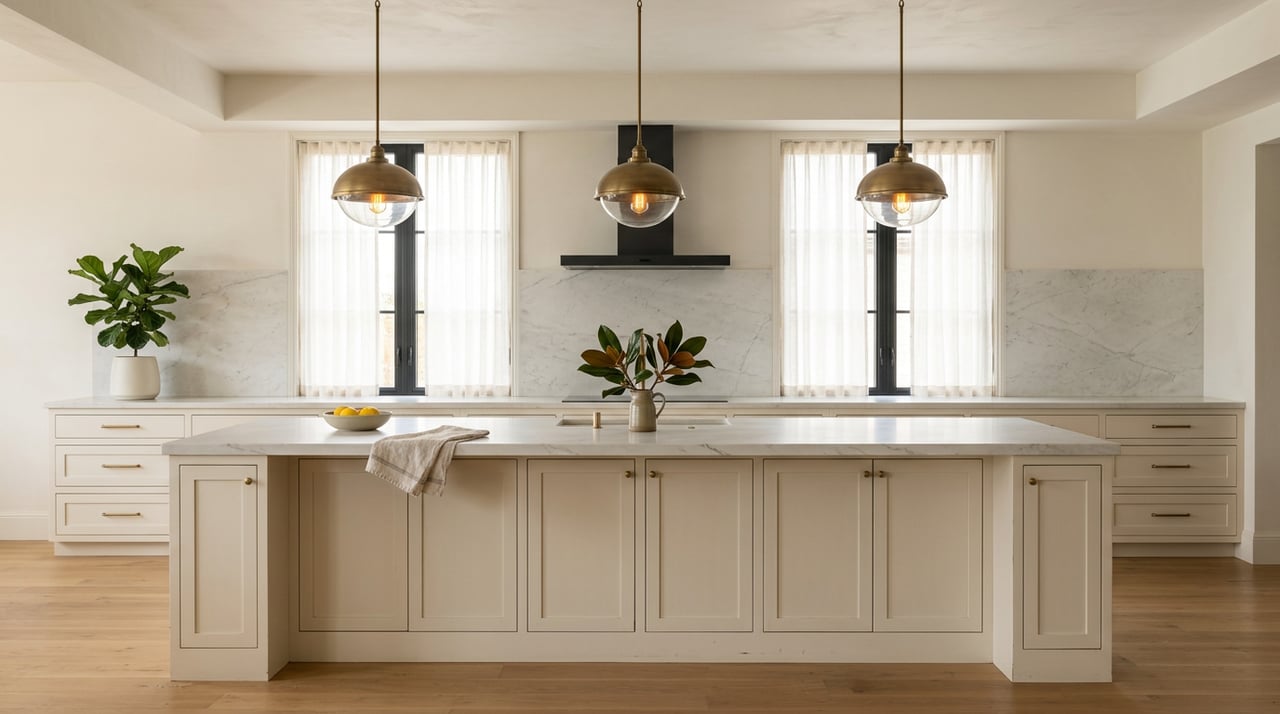
Milton requires residential permits for many renovation scopes, including additions and projects involving bedrooms, bathrooms, decks, garages, kitchens, structural work, windows, and basement finishes. By contrast, the city generally does not require permits for cosmetic work such as painting, floor coverings, or cabinets and countertops.
Renovation can sound simpler, but it is not always quick. Houzz’s 2024 survey of renovating homeowners found that median renovation spend rose to $24,000 in 2023, while the 90th percentile reached $150,000.
The same survey found that homeowners spent about twice as much time planning as building. Kitchen renovations averaged 9.6 months of planning and 5.1 months of construction.
Houzz’s Q4 2024 renovation barometer also reported a 12.8-week backlog for design-build remodelers nationally. For Milton owners, that means a renovation may still become a long and expensive process, even if the structure remains in place.
Budget is not just about construction cost. It is also about how long your capital is tied up and what you carry while the work is underway.
The CFPB says construction loans are short-term loans, they usually carry higher interest rates than longer-term mortgage loans, and funds are typically released as construction progresses. That structure can make a new build more capital-intensive before you ever move in.
National NAHB data helps frame the bigger picture. In its 2024 survey, the average single-family sale price was $665,298, with 64.4% of the price tied to construction costs and 13.7% tied to finished lot costs.
NAHB also reported an average of 10.1 months to complete a single-family home in 2023. These are national benchmarks, not Milton-specific pricing, but they help explain why new builds often require more patience and more reserves once fees, site work, and financing are added.
If you are comparing a build-versus-renovate opportunity in Milton, focus on the local fundamentals first. A beautiful concept only works if the site, rules, and budget support it.
Favor custom building when the lot is large enough, the orientation is right, the existing house is functionally obsolete, and you are prepared for design, permitting, and construction.
Favor renovation when the shell, street presence, or mature landscape is worth saving and the result you want is achievable without starting over.
In Milton, this decision is rarely just about square footage. It is about how the house relates to the land, how the site constraints shape the plan, and whether the finished result will feel intentional.
That is where a design-minded real estate perspective can add real value. If you can evaluate a property not only for price and location, but also for layout potential, renovation practicality, and lot usability, you can avoid costly surprises and make a clearer choice.
For buyers and owners in Milton’s estate neighborhoods, the best outcome usually starts with disciplined due diligence. When you understand the site first, the right path tends to become much clearer.
If you are weighing whether to buy, renovate, or build in Milton, Darron O'Bonnon Real Estate offers a calm, design-forward perspective to help you evaluate the property, the lot, and the smartest path forward.
Whether you're in the research phase at the beginning of your real estate search or know exactly what you're looking for, you'll benefit from having a real estate professional.