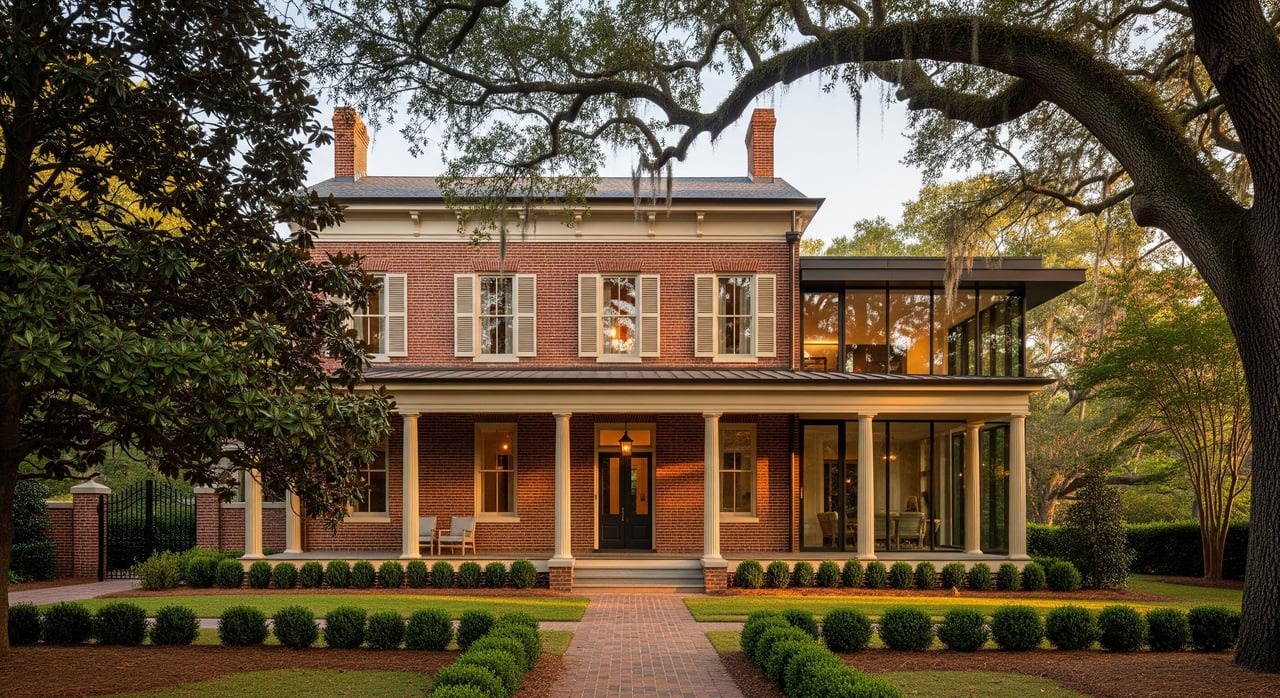
Design-Focused Roswell Historic Home Updates
Love the charm of your Roswell historic home but want the comfort and style today’s buyers expect? You are not alone. Many owners want luxury upgrades that protect curb appeal and future value. This guide shows you which improvements respect your home’s character, how to navigate local rules, and where to invest for the best return. Let’s dive in.
Roswell’s older neighborhoods include antebellum and 19th‑century homes, early 20th‑century bungalows, and Craftsman cottages. These homes have defining features like porches, original windows, detailed trim, and distinct rooflines. Buyers value that authenticity, and preserving it can strengthen your resale story. Upgrades should keep these features intact while discreetly adding modern comfort.
If your home is in a local historic district or is a designated landmark, exterior changes usually require review by the city’s preservation or planning staff. Expect to submit drawings, material lists, and photos. Plan for review time before you set a construction start date.
Most commissions rely on the Secretary of the Interior’s Standards for Rehabilitation. Core ideas are simple: retain historic materials where feasible, make new work compatible yet distinguishable on close inspection, and favor changes that can be reversed later. If your property is listed on the National Register and you plan to use tax credits, there are added steps and documentation.
Always confirm Roswell’s current procedures, permits, and design guidelines with the planning office before purchasing materials or demo work. Early coordination prevents redesigns and delays.
Great results start with a clear approach:
A preservation-minded plan helps your project sail through review and makes the finished home feel effortless and authentic.
Replace failing roofing with options appropriate to the period. Architectural asphalt shingles often fit well and are widely accepted. Slate or standing seam metal can be right for certain styles when historically appropriate. Match color and profile, and replicate cornice and soffit details.
Repair original wood siding and trim where possible. When sections are too far gone, use wood or well-profiled fiber-cement to match the original size and shadow lines. Avoid cladding that hides details, since that can diminish historic character.
Start with repair. Sash repairs, new weatherstripping, and properly fitted storm windows often boost comfort and efficiency without losing historic glass and profiles. If replacement is necessary, choose wood or wood-clad units with muntins and proportions that match the originals.
Retain the original porch shape, steps, columns, and balusters. Repair rather than replace, and if you must rebuild, match profiles and spacing to historic examples. Small details on a front porch do a lot of work for curb appeal.
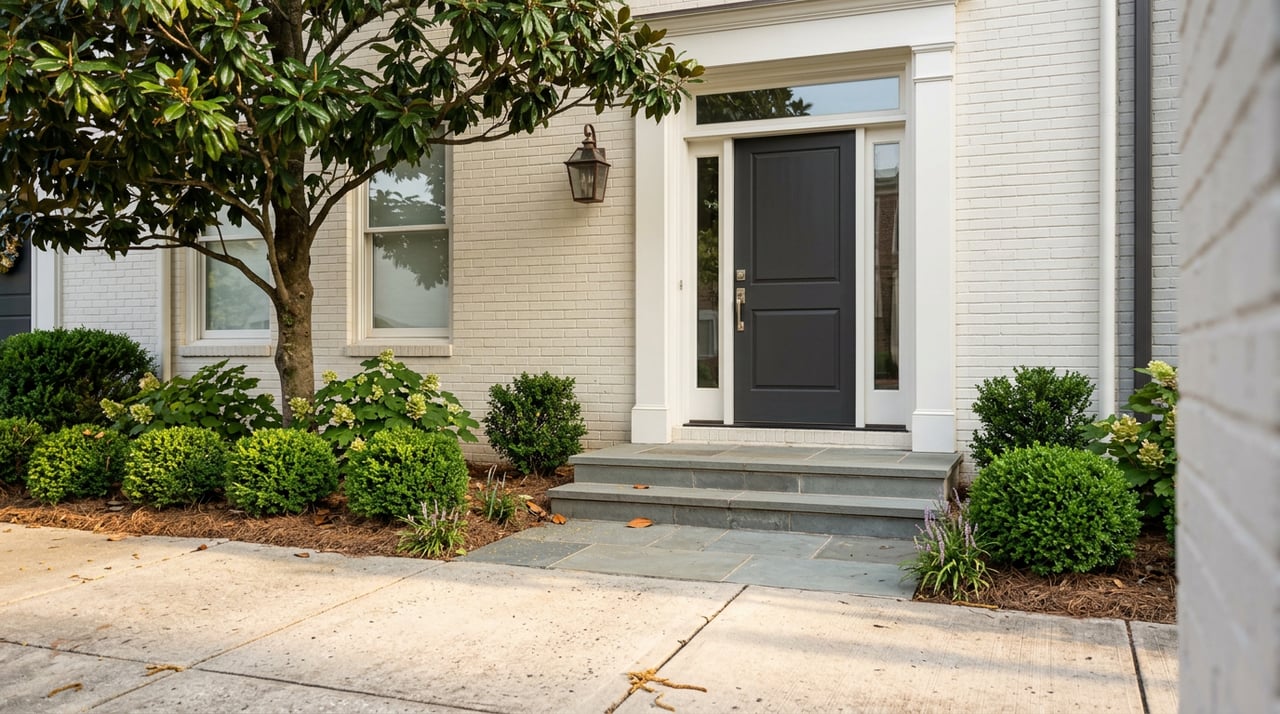
Repoint brick with a mortar compatible in strength and color. Avoid hard cement mortars that can damage older brick. Use historically sympathetic paint palettes. A fresh, period-aware color scheme is a low-cost, high-impact upgrade.
Select fixtures and hardware that nod to the home’s era while using efficient LED technology. Keep front lighting warm and low-profile to maintain a welcoming look.
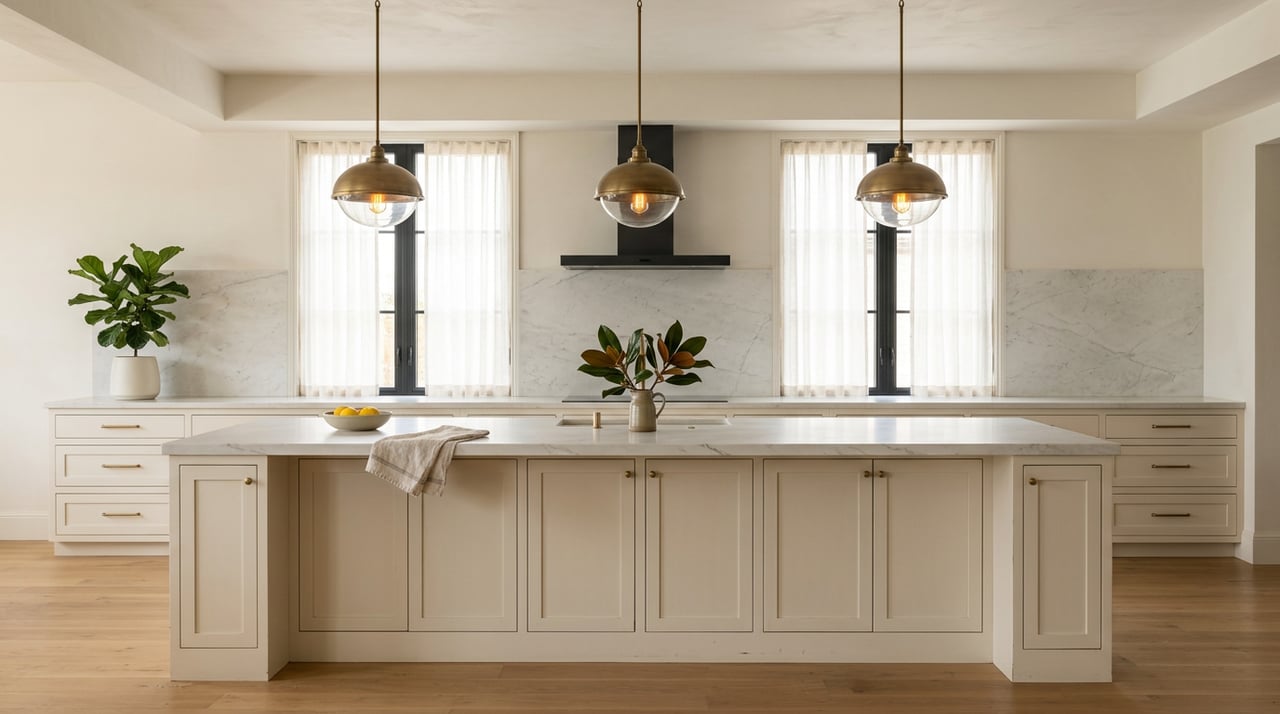
Open strategically to improve function, not to erase the plan. Removing a single non-loadbearing wall or widening a doorway can improve circulation and sight lines. Inset cabinetry, refined hardware, natural stone or durable quartz, and a timeless palette feel modern without clashing with historic trim and fireplaces.
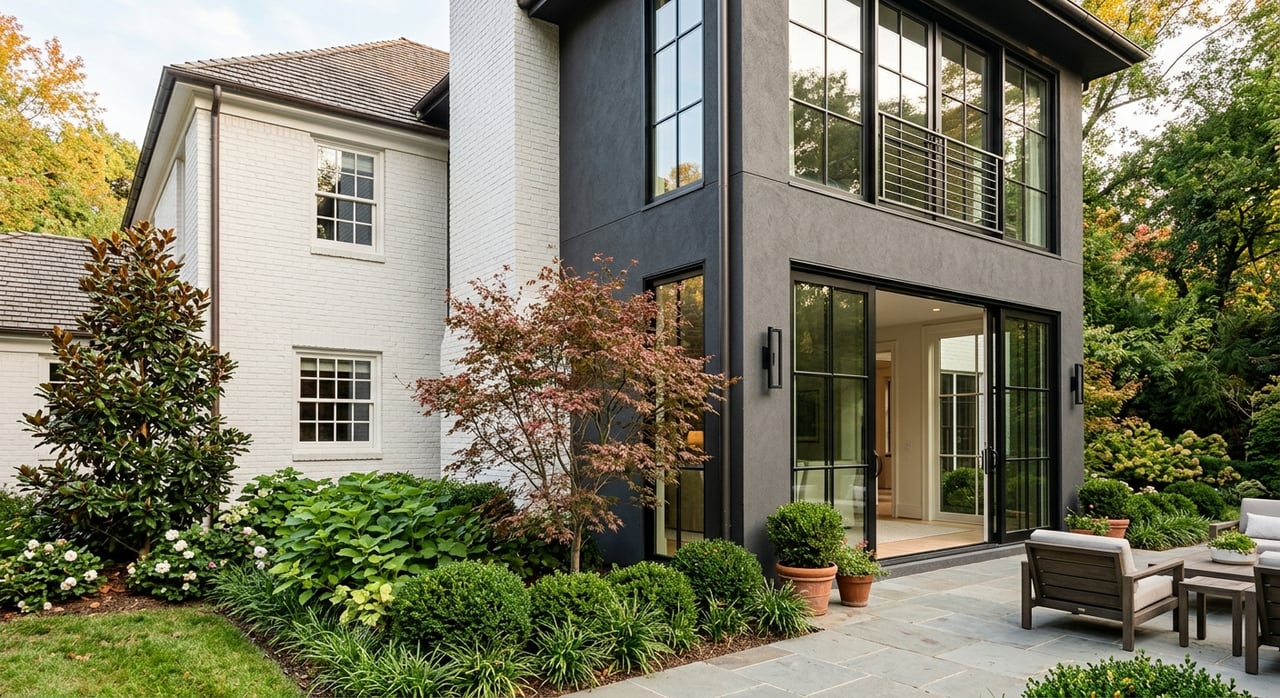
Update plumbing, ventilation, and finishes while keeping period-appropriate details. Retain or replicate classic tile sizes and trim. Place new or expanded baths in less character-defining areas, such as a rear wing or addition.
Create larger entertaining zones by selectively removing partitions and using consistent flooring to tie rooms together. Preserve room proportions and key millwork. The goal is light and flow with a sense of history.
Save original doors, casings, baseboards, and built-ins. When you need replacements, match profiles and dimensions. Refinished original floors are a major plus for buyers.
Add layered lighting, smart controls, and data wiring with minimal visual impact. Conceal wiring in walls or trim where feasible, and avoid visible surface conduit in principal rooms.
Consider discreet upgrades that expand appeal. A main-level bedroom, a gently sloped entry path, or a curbless shower can be integrated without harming historic fabric.
Roswell’s hot, humid climate shapes smart choices. Comfort, moisture control, and durability should guide your plan.
Right-sizing a central system improves comfort and resale. Ductless mini-splits can be a good solution for additions or areas where ducts would compromise historic elements. Keep exterior equipment placement discreet.
Start with attic insulation and targeted air sealing. These upgrades deliver strong energy returns with low risk to older assemblies. Be cautious with wall-cavity insulation in historic wood-frame walls, since the wrong approach can trap moisture. Seek preservation-informed guidance before insulating walls.
Upgrade service panels, wiring, and plumbing lines as needed. Buyers expect capacity for modern appliances, EV charging potential, and safe, up-to-code systems.
In our climate, water management is essential. Fix grading, gutters, and downspouts. Ensure foundation drainage works properly. These steps protect finishes and structure.
Schedule regular inspections and choose treatments that do not require unnecessary removal of historic materials. Prevention saves money and preserves fabric.
Homes built before 1978 may contain lead-based paint. Follow EPA Renovation, Repair, and Painting rules for lead-safe work. Asbestos can be present in insulation, old flooring mastics, and pipe wrap. Hire licensed professionals for testing and abatement. Also watch for older knob-and-tube or ungrounded wiring and address safety issues early in the process.
A clear sequence keeps costs and timelines in check. Use this typical order of operations:
Look for contractors and architects with proven historic rehabilitation experience. Ask for examples of work in local historic districts and references you can contact. For hazardous materials, work with licensed lead and asbestos professionals. A preservation architect can help balance buyer expectations with review requirements and ensure your addition or renovation feels seamless.
Minor cosmetic and systems updates can be completed in weeks, while major renovations and approvals may take months. If you plan to sell soon, weigh timing against scope. Targeted, high-quality improvements like kitchen and bath refreshes, systems updates, and curb appeal often deliver the best net return without delaying your move.
Document everything. A simple “heritage and improvements” one-pager with permits, warranties, and any historic approvals helps buyers see the care invested and can support stronger offers.
Buyers typically look for modern mechanical systems, efficient HVAC, and up-to-date electrical capacity. They expect a well-appointed kitchen, one or more updated baths, and attractive indoor-outdoor living. Most of all, they want authenticity. Preserved floors, mantels, millwork, and sympathetic finishes reassure buyers that your home’s character is intact.
If you want a modern, market-ready result that respects your home’s history, pair preservation best practices with a clear, ROI-driven plan. A focused scope, the right team, and careful staging can deliver comfort now and value at resale.
If you would like guidance tailored to your home, reach out to Darron O'Bonnon Real Estate for a design-forward market consultation that aligns upgrades with your goals and timeline.
Whether you're in the research phase at the beginning of your real estate search or know exactly what you're looking for, you'll benefit from having a real estate professional.