Thinking about selling your Sandy Springs home this year? Timing can shape how fast you sell and what you net at closing. You want real guidance that fits our local market, not generic advice. In this guide, you’ll learn when buyer demand peaks in Sandy Springs, how to plan a 6–8 week prep timeline, and which seasonal trade-offs matter most for your property. Let’s dive in.
Best months to sell in Sandy Springs
Sandy Springs follows the familiar Atlanta metro pattern. Buyer demand rises in late winter, peaks in spring, stays strong into early summer, and cools through late summer and fall. The slowest period is often late fall through winter.
- The best overall window for most sellers is March through June. Listings during this time typically see more traffic, faster activity, and stronger outcomes because buyer volume grows faster than inventory.
- Early summer can still perform well, especially for buyers who missed spring opportunities. Mid-summer heat and vacations can trim traffic, so plan your marketing and pricing accordingly.
- Late fall and winter bring fewer buyers, yet there is also less competition. Motivated buyers remain active, but you may need more time and stronger presentation.
How Atlanta metro dynamics influence timing
Sandy Springs sits near major employment hubs, including the Perimeter Center area, with quick access to I-285 and GA 400. That draws professionals who value commute options and flexible move dates. Families often plan moves around the school calendar, which concentrates demand in spring and early summer.
Our climate helps too. Winters are usually mild, so showings do continue. Still, the national spring peak applies here. Hot, humid mid-summer weeks can reduce activity for family buyers who may be traveling or preparing for school.
Seasonal pros and cons
Spring, March to May
- Pros: Highest buyer traffic and energy. Curb appeal improves as landscaping greens up. Competitive interest can speed up sales for well-prepped homes.
- Cons: You face more competing listings. A focused pricing and presentation plan is essential.
Early summer, June to early July
- Pros: Many buyers are still active and want to close before late summer. Outdoor spaces show well in photos and showings.
- Cons: Heat and travel schedules can slow some weekends. Buyer mix may shift away from families late in the period.
Late summer to early fall, late July to October
- Pros: Fewer competing listings. Motivated buyers, including relocations and downsizers, remain in the market.
- Cons: Family-focused demand declines once school starts. Expect slower traffic and price strategically.
Late fall and winter, November to February
- Pros: Lower competition and more serious buyers. Holiday-season shoppers can be decisive.
- Cons: Overall traffic is lighter. Landscaping may be less flattering, so interior staging and photography matter more.
Your 6–8 week prep plan
Starting 6–8 weeks before your target list date gives you time to plan, update, stage, and market the home with confidence. Use this timeline to stay on track.
Week 0 to 1: Planning and assessment
- Hire a local listing agent and request a comparative market analysis to guide pricing and timing.
- Consider a pre-listing inspection or do a detailed walk-through to identify repairs.
- Decide on staging: full, partial, or virtual. Get quotes and check availability.
- Book your photographer and confirm a photo date that aligns with staging and landscaping.
Weeks 1 to 4: Repairs, paint, declutter
- Handle minor repairs like hardware, caulking, leaky faucets, and filters.
- Paint with a neutral palette where needed and refresh flooring or fixtures as appropriate.
- Update kitchen and bath details if a full remodel is not planned. Small refreshes can make a big impact.
- Deep clean, declutter, and depersonalize. Clear surfaces and remove excess furniture to boost photos and showings.
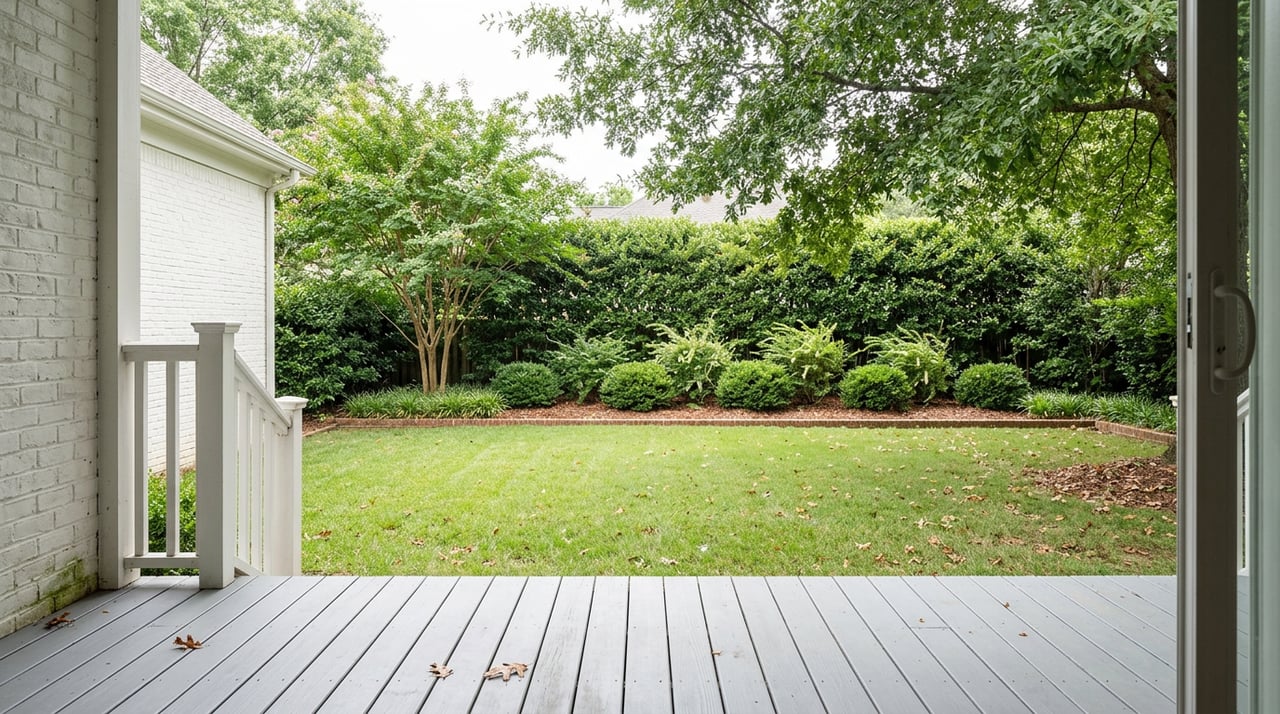
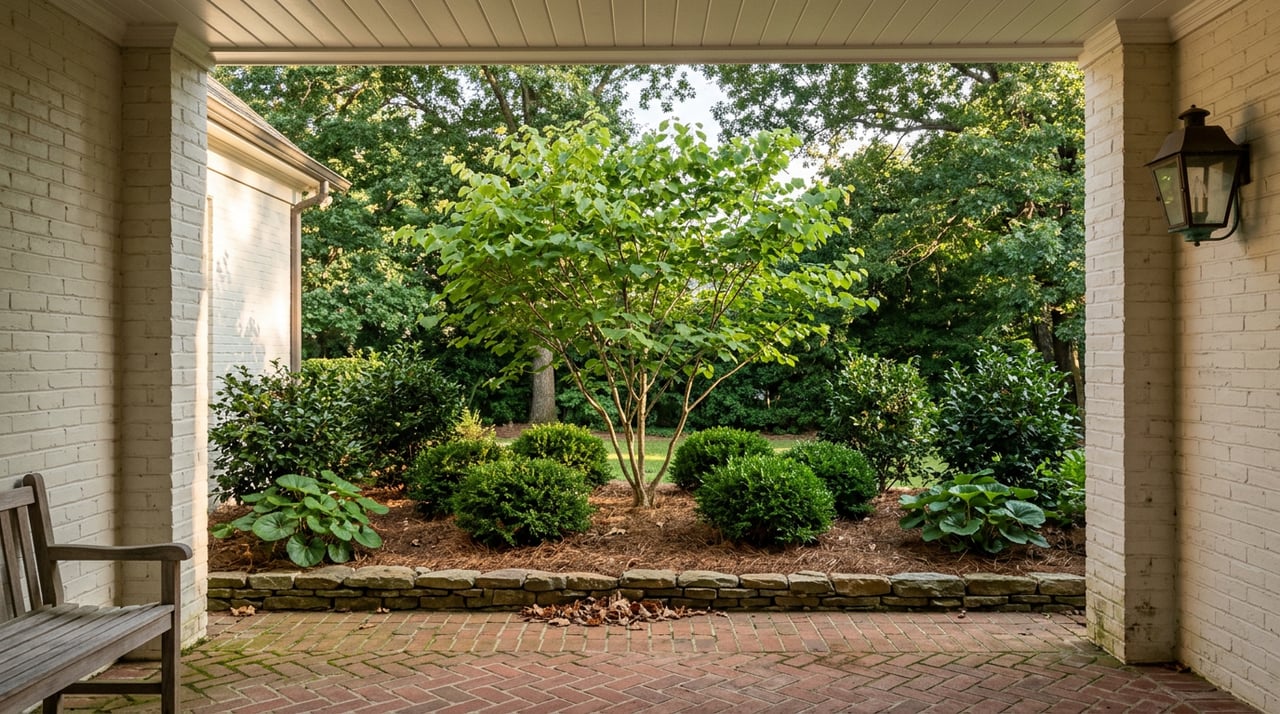
- Improve curb appeal with pruning, mulch, planters, and power washing.
Weeks 3 to 6: Staging and marketing prep
- Install professional staging or style your existing furnishings. Focus on the main living area, kitchen, primary bedroom, and entry.
- Schedule photography right after staging and deep cleaning. Opt for stills plus a video or 3D tour if feasible.
- Gather warranties and permits for prior renovations. Prepare disclosures and documentation.
- Draft the listing description and confirm open house dates.
Weeks 6 to 8: List and show
- Aim to list on a high-exposure weekday. Many analyses point to mid-week, often Thursday, to capture weekend traffic.
- Track the first two weeks closely. Use feedback, showings, and offers to fine-tune pricing or presentation.
- Keep the home show-ready and refresh staging as needed.
Quick task timing guide
- Declutter and deep clean: 1–7 days
- Interior paint: 2–7 days
- Minor repairs and handyman work: 3–14 days
- Landscaping refresh: 2–10 days
- Staging installation: 1–5 days, plus scheduling lead time
- Professional photography and tours: 1 day
These tasks often overlap, which is why 6–8 total weeks is a practical target.
Pick your listing window
To capture the strongest segment of the market, match your prep plan to a listing window that fits your goals.
Goal: Mid-May listing to capture the spring peak
- Start prep in early to mid-March. Use weeks 1–2 for planning and inspection, weeks 3–6 for updates and landscaping, and weeks 5–7 for staging and photos.
Goal: Early August listing to reach summer movers before school
- Start prep by mid-June. Book contractors early, as schedules tighten. Calibrate pricing to appeal to buyers eager to close before the early August school start.
Goal: Late October to early November listing for lower competition
- Start prep in early September. Expect a smaller buyer pool and emphasize pricing precision, warm staging, and compelling media.
Pricing and offer strategy by season
- Spring to early summer: If inventory is lean and demand is strong, consider pricing with confidence and support it with standout presentation. Strong marketing in the launch week can spark multiple offers.
- Late summer to winter: Expect fewer showings. Use value-forward pricing and consider incentives like flexible closing dates or small credits for updates.
What to watch before you list
Track a few simple indicators in the weeks leading up to your go-live date. Watch the trend, not just a single data point.
- New listings per week compared to last year
- Active inventory and months of supply
- Median days on market and whether it is rising or falling
- Median sale price and sale-to-list ratio
- Number of price reductions in your neighborhood
Also keep an eye on buyer demand drivers like local job announcements and major corporate moves. Coordinate with your agent to confirm what is changing in your micro-market.
Design-driven presentation that sells
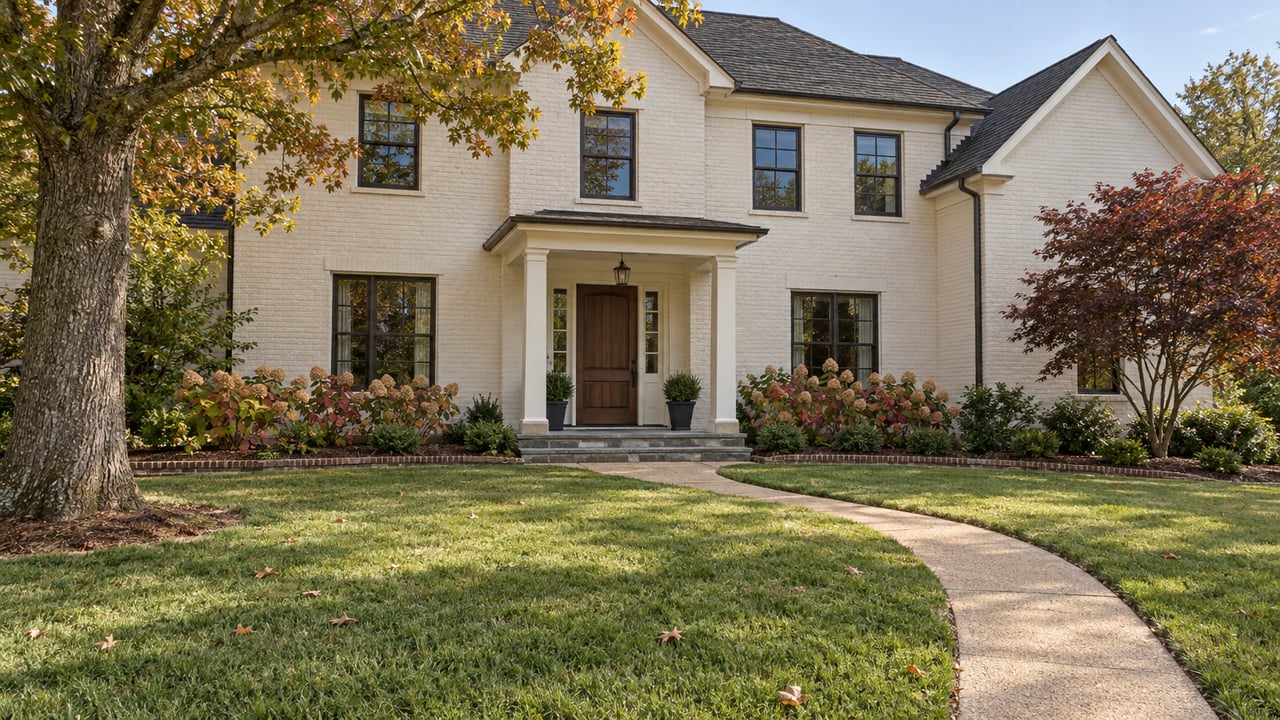
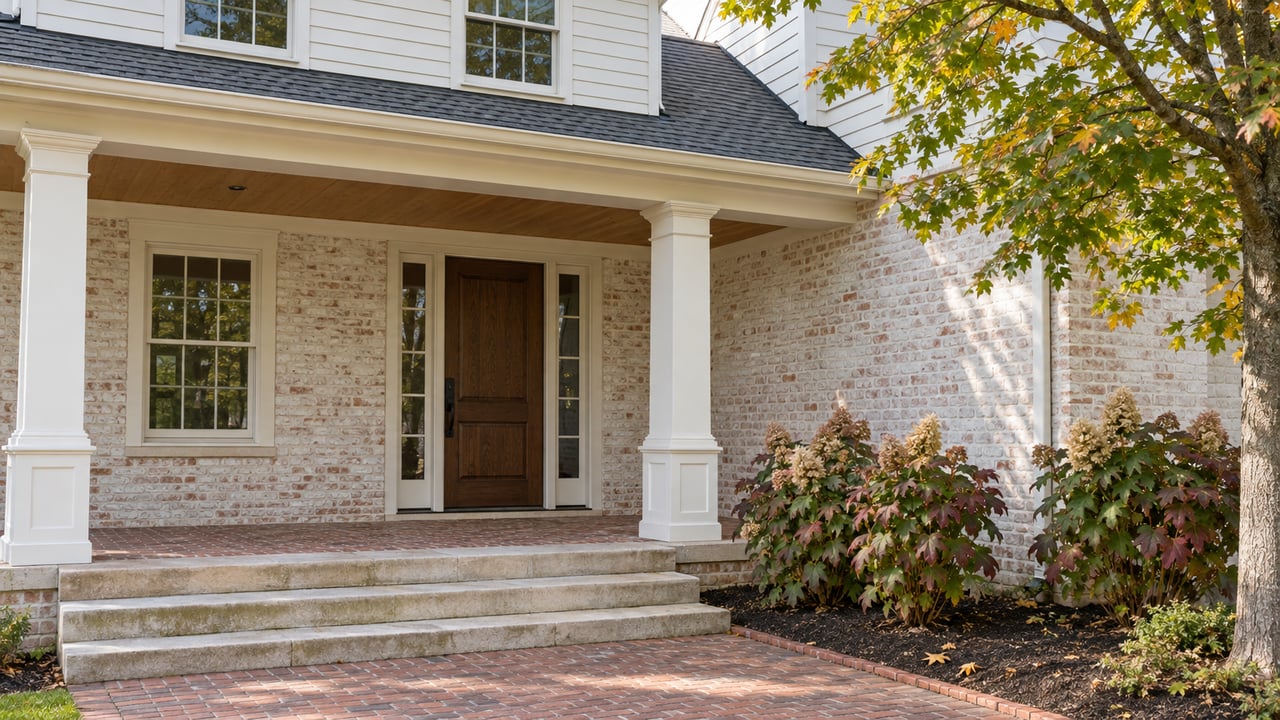
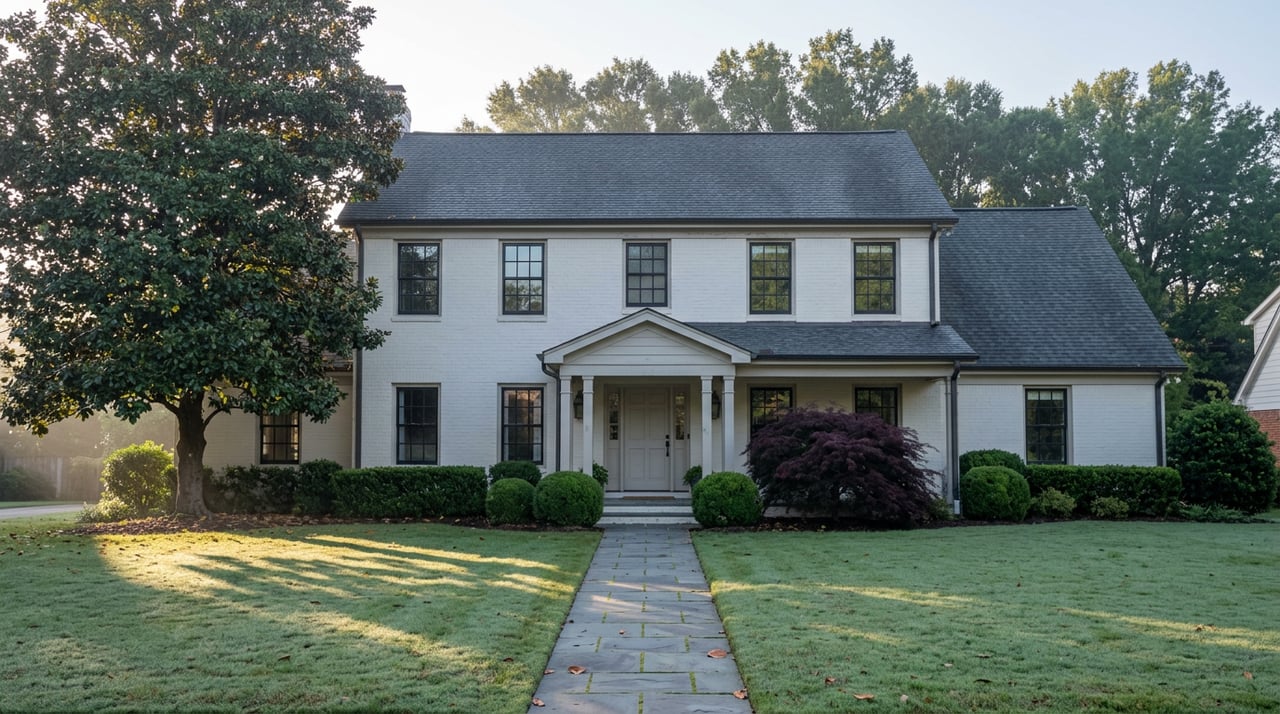
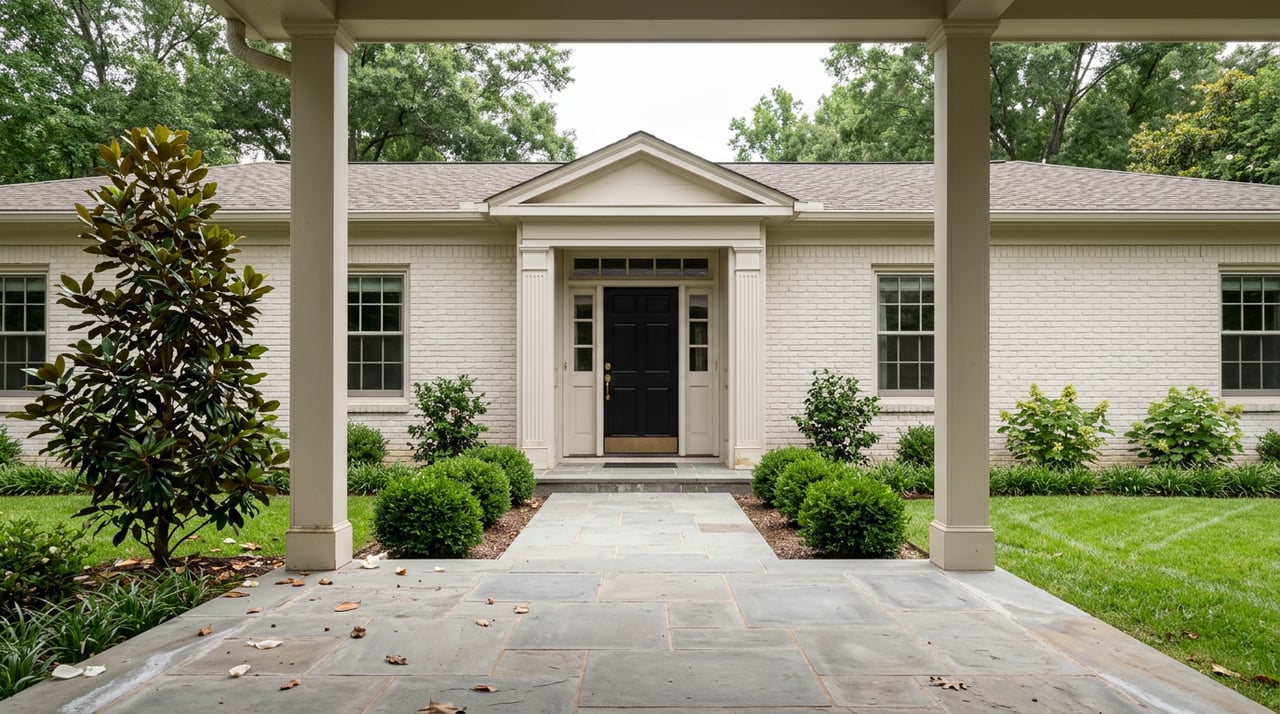
Presentation matters. Industry surveys consistently show that staged homes photograph better and attract more buyer interest. In Sandy Springs, stage the spaces where buyers make decisions: the living area, kitchen, primary suite, and entry. If budget is limited, stage high-impact rooms and consider virtual staging for secondary spaces.
Showcase lifestyle features that resonate locally. Highlight patios and decks, low-maintenance landscaping, home office options for commuters, and easy access to outdoor amenities. Use a neutral color palette and remove heavy personal items so buyers can see themselves in the home.
Professional photography, twilight exteriors, and immersive tours help your listing stand out online, where first impressions form in seconds. Time your photo shoot when landscaping looks its best and natural light is strongest.
Risks and timing caveats
- Contractor availability: Spring and summer are busy. Book reputable pros early to protect your schedule.
- Neighborhood variation: Micro-markets within Sandy Springs can perform differently. Focus on true comparables near your property.
- Weather and curb appeal: Spring is naturally strong for exteriors. In winter, invest in warm interior staging and great lighting.
- Legal and disclosure: If your home was built before 1978, a federal lead-based paint disclosure is required. Confirm Georgia-specific disclosures with your agent or attorney.
Next steps
If you want to hit the spring to early summer sweet spot, start now. A clear 6–8 week plan, clean design choices, and well-timed marketing can help you sell faster and with stronger results. For a custom timeline, pricing guidance, and a room-by-room staging plan tailored to your Sandy Springs home, connect with Darron O'Bonnon Real Estate.
FAQs
When is the best time to sell a home in Sandy Springs?
- Spring to early summer, roughly March through June, typically offers the best mix of buyer traffic and sale velocity in the Atlanta metro and Sandy Springs.
How early should I start prepping my Sandy Springs home to sell?
- Begin 6–8 weeks before your target list date to complete repairs, updates, staging, and photography without rushing.
Is winter a bad time to sell in Sandy Springs?
- Winter has fewer buyers but also less competition, and motivated relocation buyers do shop; strong staging and pricing help offset lower traffic.
What day of the week should I list my house for maximum exposure?
- Many industry analyses suggest a mid-week launch, often Thursday, to capture weekend showings; confirm the best day with your local agent.
Do I need professional staging to sell my Sandy Springs home?
- Staging and professional photos generally increase engagement and help homes sell faster; focus on key rooms and consider virtual staging for others.
What disclosures apply if my Sandy Springs home is older?
- Homes built before 1978 require a federal lead-based paint disclosure; verify Georgia-specific requirements with your agent or attorney.
How does the Fulton County school calendar affect selling timing?
- Many families aim to move before early August, so listing in spring or early summer helps align with that schedule and capture family demand.