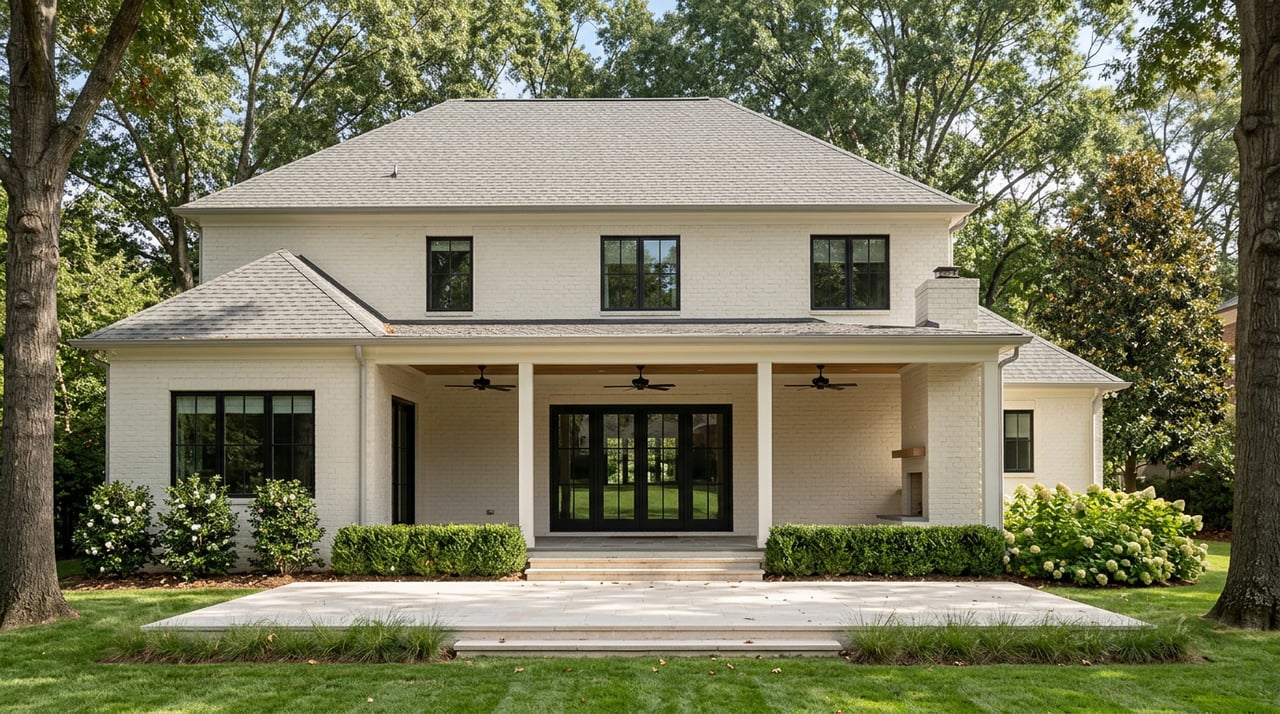
Inside the Milton Estate Living Lifestyle
Ever wonder what it truly feels like to wake up on a few acres in Milton, Georgia? If you picture quiet mornings, horses in the paddock, and a short drive to coffee and errands, you’re on the right track. Estate-style living here blends privacy and rural character with the everyday convenience of North Fulton. In this guide, you’ll see how the land, homes, and daily routines come together, plus the smart checks to make before you buy. Let’s dive in.
Milton sits in North Fulton and is known for rolling hills, tree cover, and a strong equestrian culture. Writers often describe it as pastoral, yet it is still within a roughly 25 to 35 mile ring north of downtown Atlanta, which captures the place well. For a lifestyle snapshot, see how regional media frame Milton’s balance of charm and access in this overview from Southern Living.
The city’s plans intentionally protect that character. Milton’s 2040 Comprehensive Plan prioritizes preserving large lots, the tree canopy, and open viewsheds while guiding growth in defined areas. You can see that emphasis in the city’s planning materials and small-area plans on the Milton Comprehensive Planning page.
A useful shorthand here is Milton’s 3-acre threshold. The city defines a large lot as any parcel 3 acres or more, and it created a formal program to encourage owners to keep or create larger parcels. Learn more about the city’s approach on its Large Lot Incentives page.
In practice, you will see a few common lot bands:
Milton considers equestrian life a community asset. The city maintains an active Equestrian Committee and regularly addresses issues like barn siting, trail connections, and text amendments that make it easier to maintain equestrian uses. You can see meeting details and policy focus on the Equestrian Committee page. Treat these as ongoing policy efforts that support horses and acreage owners.
Horses and fireworks do not mix. Milton adopted measures that restrict consumer fireworks within a set distance of properties that house equines. The city’s ordinance created a 200-yard restriction to reduce risk to horses and barns, which is a practical example of how the local rules respond to life on larger parcels. See the city’s summary of that rule in this fireworks update.
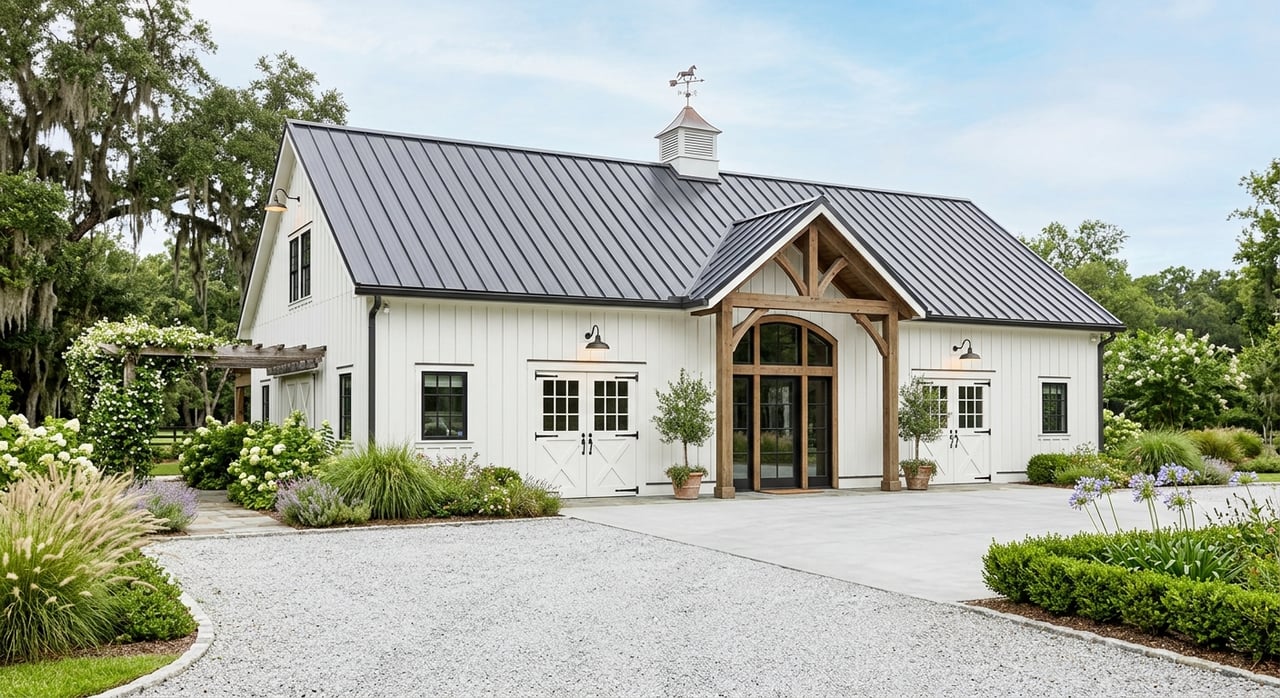
On properties geared toward horses, you can expect purpose-built structures and systems. Common features include multi-stall or center-aisle barns, tack rooms, wash stalls, hay and feed storage, and auto-waterers. Outdoor areas may have lighted arenas, round pens, cross-fencing, and multiple paddocks for turnout. High-end listings frequently note the number of stalls, arena lighting, and the quality of footing, which are real quality-of-life details for daily chores and training.
Estate properties in Milton often read like private resorts. You’ll see pools and pool houses, outdoor kitchens and terraces, guest cottages or apartments, and sometimes tennis or pickleball courts. Some owners add vineyard or orchard plantings, which can make weekend hosting feel special without leaving home.
Many large parcels in Milton rely on private wells and septic systems, especially outside the more developed nodes. Public sewer is present in some parts of North Fulton and around Crabapple, but it is not universal across Milton. Always verify what serves the property, and budget for well testing, septic inspections, and routine maintenance if private systems are in place.
Even if you live on acreage, your everyday spots are close by. Downtown Crabapple and the surrounding district offer a walkable hub with shops, services, and dining options. Explore what’s there at Crabapple Market. For a local take on agritourism and riding with a tasting room twist, many residents enjoy Painted Horse Winery & Pamelot Farm. Garden centers and farm markets add to the area’s country-meets-convenience feel.
Estate living in Milton typically means driving for daily errands and commuting. Many homes are a short drive to Alpharetta’s destinations, including Avalon and the GA 400 corridor. For orientation, see this snapshot of Avalon in Alpharetta. Depending on the route and traffic, you are roughly 25 to 35 miles from central Atlanta. If commute timing matters, map your specific address at peak hours to see real-world drive times.
Milton has invested in parks, trail connections, and natural preserves that benefit acreage owners and riders. The city’s parks and activities guide outlines improvements at places like Birmingham Park, where design updates added trailer-friendly parking and equestrian-friendly trail access. Skim the latest offerings and plans in the Milton Parks & Activities Guide. These civic assets make it easier to enjoy trail riding and outdoor time without a long haul.
Milton is served by Fulton County Schools. Listings often reference nearby school assignments such as Birmingham Falls Elementary, Northwestern or Hopewell middle, and Milton or Cambridge-area high schools, depending on the exact parcel. Because attendance zones can change, always verify current boundary maps directly with Fulton County Schools before making decisions.
Large properties come with ongoing costs beyond typical home maintenance. Expect line items like fencing repair, pasture seeding and management, hay and feed, farrier and veterinary care, manure handling, and utility costs for outbuildings. Arena footing requires periodic maintenance or replacement, especially if you ride regularly. Turnkey barn features such as wash stalls and auto-waterers can reduce setup time, but they do not eliminate operating expenses. For budgeting, talk with local equine service providers and review resources shared by Milton’s equestrian community.
Confirm the parcel’s zoning and permitted uses with the City of Milton’s Community Development team. That includes agricultural and equestrian allowances and any recent text amendments that affect barns, covered arenas, or accessory structures. Contacts and current planning materials live on the Comprehensive Planning page.
Ask whether the property is on public water and sewer or if it uses a private well and septic. If private systems serve the home, request well test results, septic records, and any soil or percolation tests available. Factor in service life, replacement costs, and the location of tanks and fields when you plan additions or outdoor amenities.
Order or confirm a current boundary survey and title review. Easements and rights-of-way can influence driveway locations, arena siting, and where you can place additional outbuildings. Milton’s emphasis on viewsheds and setbacks may also guide how you design or expand the property, so ask your agent to coordinate a site walk with these constraints in mind.
Talk with your insurance provider about coverage for agricultural structures, equipment, and third-party liability related to horses. Because hay and barns can raise fire risk, confirm that your policy reflects the use and value of those structures. Be aware of Milton’s local fireworks restriction near equine properties, which supports safer conditions for animals and outbuildings.
Property taxes vary based on assessed value, homestead exemptions, and combined county and city millage rates. For an estimate tied to a specific address, use Fulton County’s tools. Start with the county’s property tax estimator, and confirm details with the assessor.
If you are drawn to acreage, barns, and bright outdoor living, a thoughtful plan will help you buy with confidence. As a Designer-Advisor, I combine market expertise with design and site planning to help you evaluate structures, placement, and potential upgrades before you commit. For a calm, professional approach that aligns lifestyle and investment, connect with Darron O'Bonnon Real Estate to schedule a design-forward market consultation.

Whether you're in the research phase at the beginning of your real estate search or know exactly what you're looking for, you'll benefit from having a real estate professional.