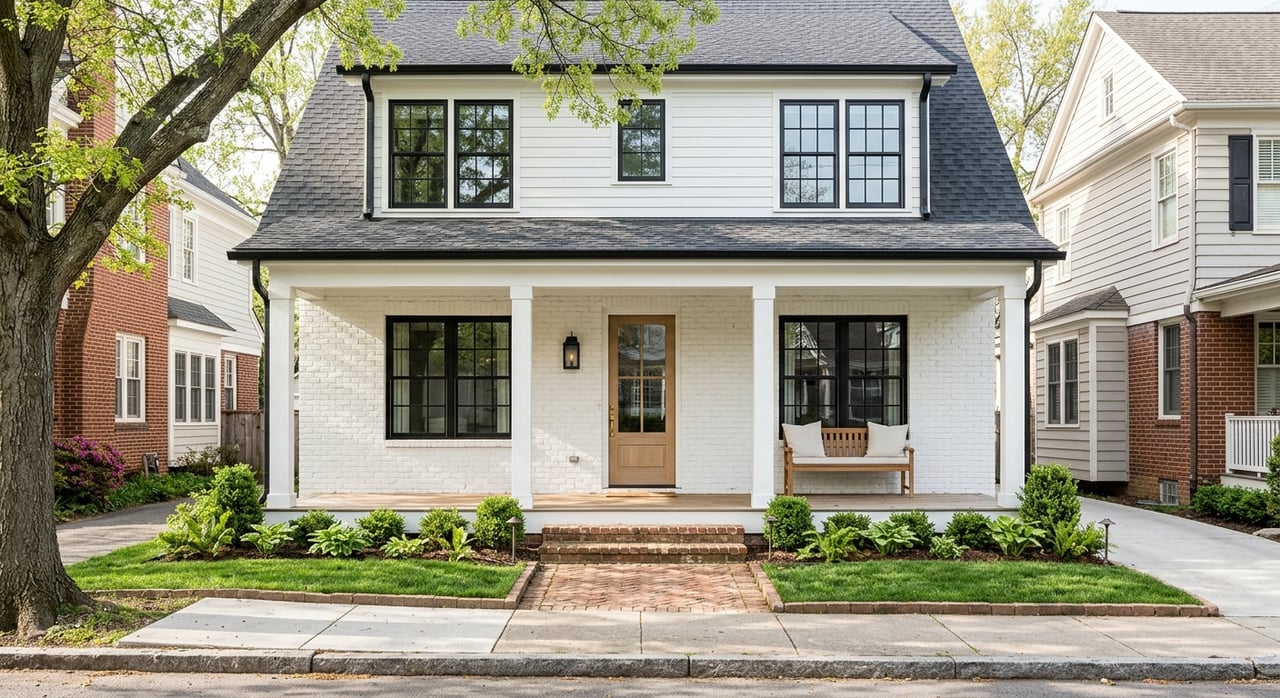
Living in Historic Roswell Near Downtown
If you want a neighborhood where a coffee run can turn into a river walk, a quick dinner can stretch into an evening on Canton Street, and local history still shapes the streetscape, Historic Downtown Roswell stands out. For many buyers and sellers, the appeal is not just charm. It is the way daily life here feels active, walkable in pockets, and rooted in a carefully preserved setting. This guide will help you understand what everyday life around Historic Downtown Roswell really looks like, from routines and recreation to parking and housing context. Let’s dive in.
Historic Downtown Roswell is not simply an older commercial area with a few preserved buildings. The city’s identity is tied to its mill-town origins, with Roswell founded in 1839 and local planning efforts focused on protecting the district’s historic character while keeping it sustainable over time.
That preservation focus shapes how the area feels day to day. The Historic Preservation Commission oversees the 640-acre Historic District, and exterior material changes to properties in the district require approval. In practical terms, that means the downtown core is a carefully managed historic environment, not a place defined by free-form redevelopment.
For you as a buyer, seller, or homeowner, that can be part of the appeal. The setting tends to feel more cohesive, with architecture, streetscapes, and public spaces contributing to a sense of continuity that is hard to replicate in newer mixed-use districts.
One of the strongest lifestyle advantages around Historic Downtown Roswell is variety. Current local listings show a dense mix of dining and shopping options on or near Canton Street, including casual neighborhood dining, a brewery, a steakhouse, a wine bar, and specialty retail such as an antique market and a pet boutique.
That range matters because it supports real daily use. Instead of feeling like a district built only for occasional nights out, downtown Roswell functions more like a lived-in neighborhood hub where you can meet friends, browse local shops, pick up a meal, or spend a relaxed afternoon without needing a big plan.
For many people, that kind of rhythm adds value beyond square footage. When everyday convenience and atmosphere come together, the surrounding housing market often benefits from a stronger sense of place.
The mix of businesses near downtown helps create a routine that feels flexible. You might start with a simple lunch, stop into a small retail shop, and then stay longer than expected because the district is designed around short, easy transitions from one stop to the next.
That is especially important if you are comparing Roswell with areas that offer newer development but less historic texture. Around downtown Roswell, the experience is shaped as much by the setting as by the businesses themselves.
Recurring public events help reinforce that neighborhood feel. The city promotes Alive in Roswell as a free monthly festival on the third Thursday from April through October, with live music, food trucks, vendors, and participation from nearby boutiques and restaurants.
Roswell also lists a weekly Saturday farmers market at City Hall. Together, these events create a dependable rhythm that can make downtown feel active without requiring a major festival calendar to stay relevant.
Historic Downtown Roswell offers something many historic districts do not. You are close not only to shops and restaurants, but also to meaningful outdoor access.
The Roswell Riverwalk is a multi-purpose greenway along the Chattahoochee River, and the Historic Gateway project is designed to connect Historic Square to the river with a continuous multi-use trail. The city’s Bicycle and Pedestrian Master Plan also prioritizes links from the Historic District to parks, schools, and the riverfront.
This matters because it broadens what daily life can look like. A downtown routine here can include walking trails, river views, and time outdoors without feeling disconnected from the historic core.
Roswell Mill and Vickery Creek Waterfall are a major part of the area’s lifestyle appeal. The city says the park is open every day from sunrise to sunset, with free admission and free parking, plus trails, a covered bridge, old mill ruins, and waterfall overlooks.
That combination gives the area a very local feel. It is not just a scenic backdrop. It is a place where people can build regular routines around walking, meeting friends, or taking a break outdoors.
The Chattahoochee River National Recreation Area supports day-use activities such as hiking, fishing, picnicking, rafting, canoeing, and kayaking. For buyers who want both a historic setting and access to recreation, that mix can be a real differentiator.
From a lifestyle perspective, this is one of the strongest features of the area. You are not choosing between an in-town feel and outdoor access. Around Historic Downtown Roswell, you can enjoy both.
Parking may not be glamorous, but it plays a real role in how downtown works. Roswell manages parking through a mix of options that includes more than 400 free spaces at City Hall, a free Green Street lot, street parking near the Historic Town Square, and city-owned paid parking on East Alley and parts of Canton Street.
For residents and visitors, that means there are multiple ways to access downtown depending on where you are headed and when you arrive. It also reflects a practical reality of successful historic districts: convenience matters, especially as restaurants, events, and foot traffic grow.
Roswell voters approved bond funding for a future downtown public parking deck in 2022, which shows parking remains an active topic in the area. If you are considering a move near downtown, it is helpful to think about parking as part of the lifestyle equation, particularly during busy event nights and peak dining hours.
The housing story around Historic Downtown Roswell is shaped by preservation. The immediate historic core is anchored by older homes, historic sites, and a district framework that emphasizes protection of architectural character.
That context gives the area a more established feel than many newer suburban centers. It also means the character of the housing stock is closely tied to the identity of the district itself.
Roswell’s city-owned Historic House Museums help illustrate the area’s architectural and cultural roots. The group includes Barrington Hall, Bulloch Hall, and Smith Plantation, with Barrington Hall on seven acres in downtown Historic Roswell, Bulloch Hall dating to 1839, and Smith Plantation located north of Roswell Square near City Hall.
These landmarks do more than attract visitors. They help define the physical and visual language of the area, reinforcing the sense that downtown Roswell is a place where history remains part of everyday surroundings.
In the broader downtown-adjacent market, newer infill and attached housing appear more often than in the immediate historic core. That framing aligns with the city’s development review activity, historic district design controls, and public notices that include townhome proposals elsewhere in Roswell.
If you are home shopping, this means your options may vary significantly depending on how close you want to be to the preserved center. If you are selling, it also means positioning matters. A home’s appeal may depend not just on finishes and size, but on how buyers perceive its relationship to the historic district, walkability, and outdoor access.
When people talk about Historic Downtown Roswell, they often focus on charm first. That makes sense, but the more important story is how that charm supports daily life.
This area combines preserved architecture, a strong food-and-drink scene, recurring public events, river access, and managed parking into a lifestyle that feels active while still grounded in neighborhood scale. That blend is a big reason the area continues to attract attention from buyers who want more than a house alone.
From a real estate perspective, this is where local insight matters. Understanding whether a block feels tucked away or connected, whether a home leans more historic or more updated, and how buyers experience the surrounding area can shape smart decisions on both the buying and selling side.
If you are considering a move around Historic Downtown Roswell, it helps to work with someone who can read both the market and the setting. At Darron O'Bonnon Real Estate, that guidance includes a design-minded perspective on how a home fits its location, how to position it effectively, and how to evaluate the lifestyle details that influence long-term value.
Whether you're in the research phase at the beginning of your real estate search or know exactly what you're looking for, you'll benefit from having a real estate professional.