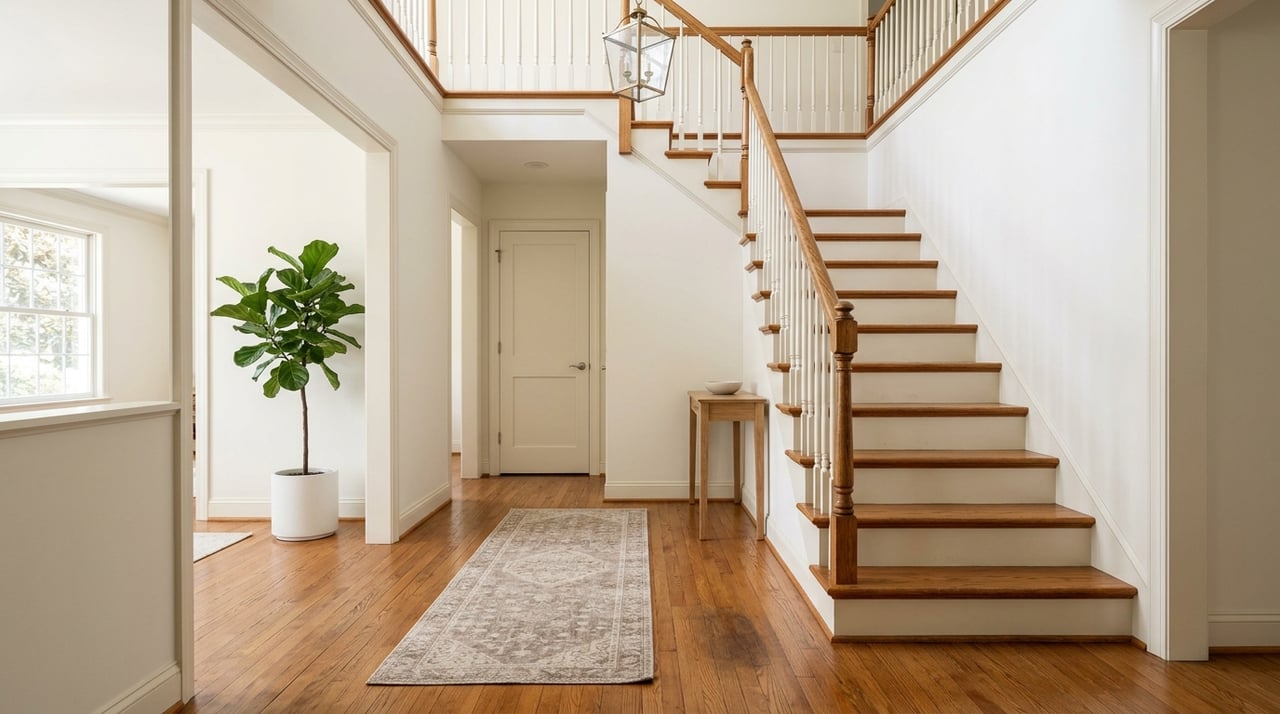
How to Sell a Renovation-Ready East Cobb Home
Wondering how to sell an older East Cobb home without making it sound dated? In a market where buyers have choices, the right positioning can shift the conversation from what your home is not to what it offers next. If your house has solid bones, generous rooms, or an established setting, you may have more going for you than you think. Here’s how to present an older East Cobb home as a true design opportunity, not a compromise. Let’s dive in.
East Cobb remains an active resale market, and presentation matters. Over the three months ending May 2026, homes in East Cobb sold at a median price of $532,321, spent about 31 days on market, and received an average of three offers. Redfin also notes that hot homes can go pending in about 13 days.
At the county level, buyers also have options. In Cobb County in May 2026, the median sales price was $445,000, with 1,296 new listings and 2,639 active listings. That means an older home does not just need to be listed. It needs to be positioned clearly and thoughtfully.
The good news is that older housing is not unusual here. Cobb County’s housing profile shows that more than half of homes were built between 1970 and 1999, including 23.9% in the 1980s, 18.2% in the 1990s, and 14.2% in the 1970s. In other words, dated finishes are part of the local housing story, not an exception to it.
If your home has older finishes, the goal is not to apologize for them. The goal is to help buyers see the value in the layout, light, lot, and livability while leaving room for their own vision.
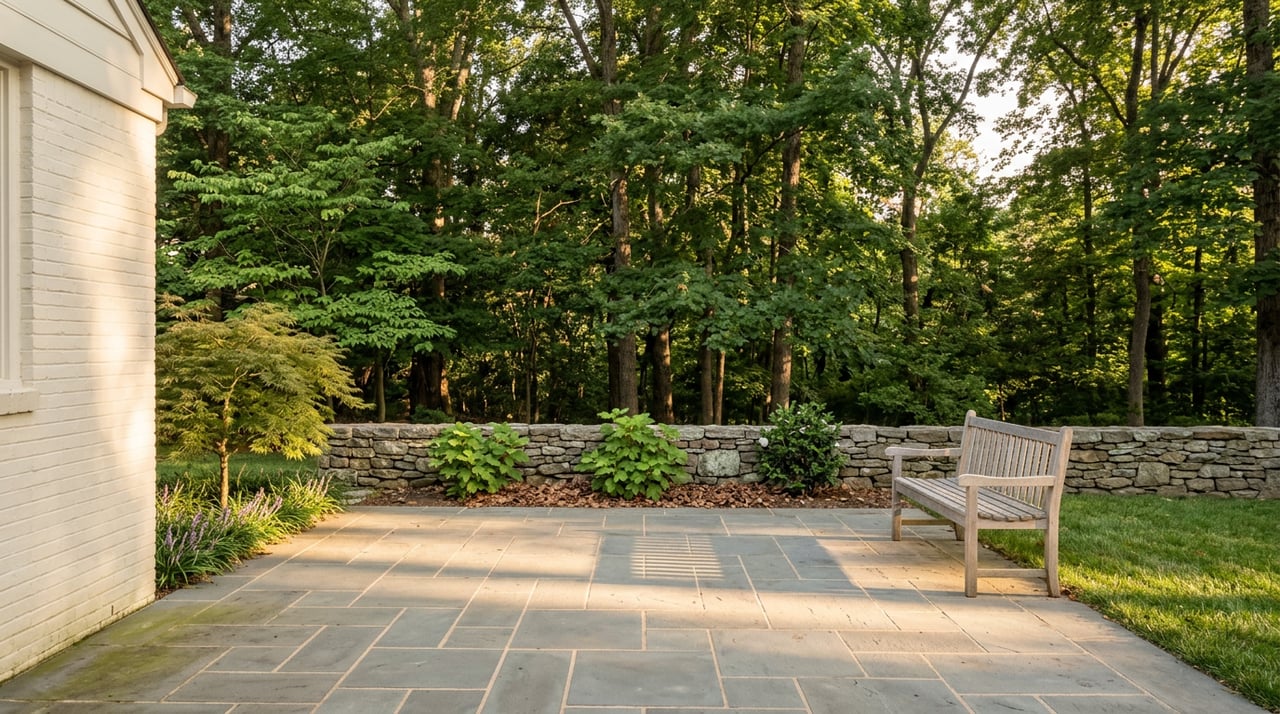
That framing works especially well in East Cobb, where established homes often offer features buyers still want, like mature landscaping, larger rooms, flexible floor plans, and a settled residential setting. When those strengths are presented well, an older finish package can read as an opportunity for personalization rather than a flaw.
Your message should feel calm and factual. Instead of focusing on what has not been updated, focus on what is already there: usable space, natural light, preserved materials, and clear potential.
Before you consider major updates, start with the basics. Staging guidance defines this as cleaning, decluttering, repairing, depersonalizing, and updating the home so buyers can picture themselves living there.
That matters because staging helps buyers connect. In the 2025 staging report, 83% of buyers’ agents said staging made it easier for buyers to visualize the property as a future home. For an older East Cobb property, that is exactly the outcome you want.
You do not need to do everything at once. In many cases, a lighter, more strategic approach can improve how your home feels online and in person without pushing you into a full remodel.
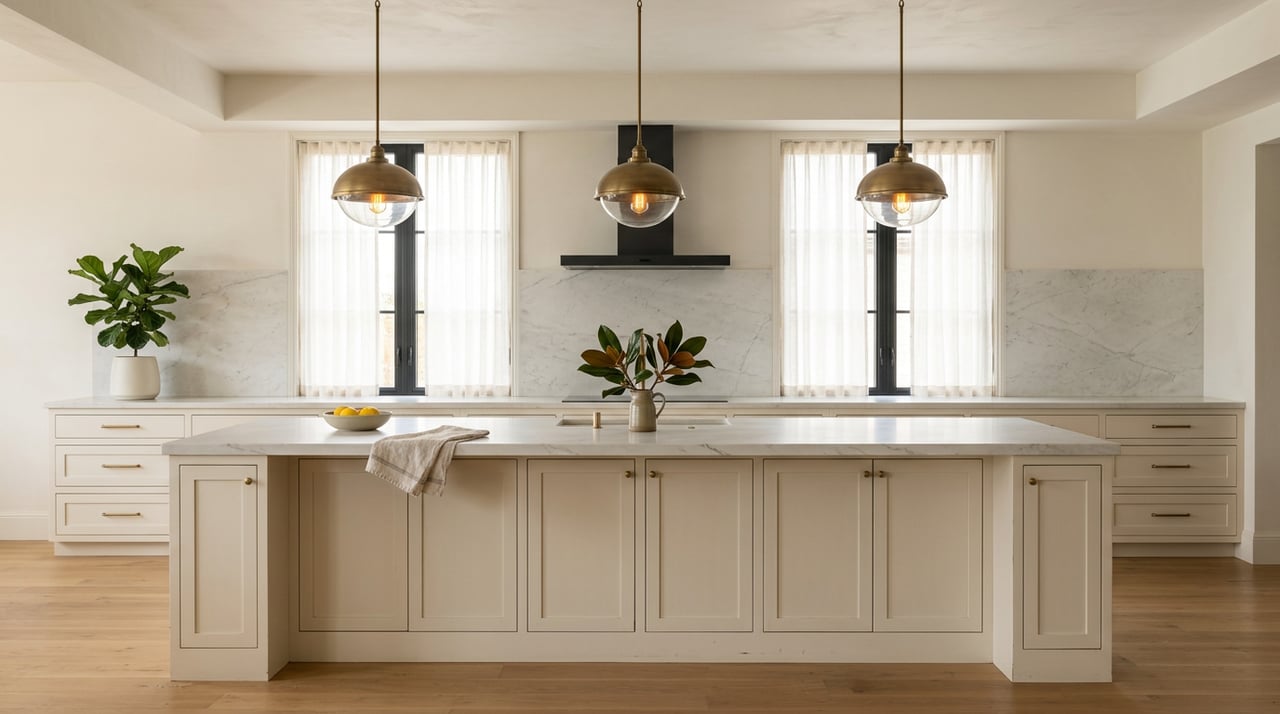
If your budget or timeline is limited, not every room needs equal attention. The rooms that matter most to buyers are the living room, primary bedroom, and kitchen.
Those are the spaces where effort tends to go furthest. If those rooms feel bright, orderly, and easy to understand, buyers are more likely to see the rest of the home through a positive lens.
A dining room or bonus room can also help support the story, especially if it shows flexibility. But your first dollars and first hours should go to the areas that drive the strongest first impression.
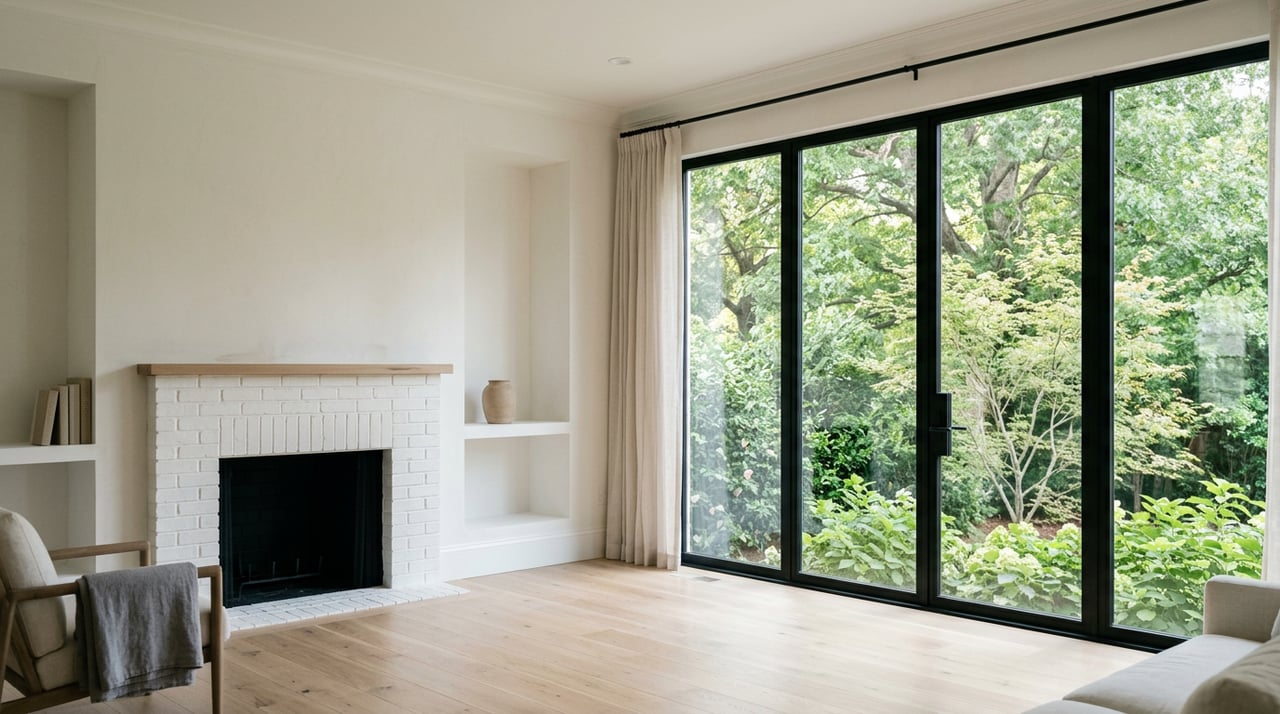
Prioritize clarity over customization. Buyers respond well to natural light, neutral wall colors, open space, streamlined decor, and flooring that feels clean and current.
That does not mean stripping the home of personality. It means reducing distractions so buyers notice the room size, the window placement, the flow between spaces, and the practical layout.
Small updates can make a meaningful difference, such as:
These changes support the design-opportunity story because they make the home feel cared for while leaving style choices open to the next owner.
Staging does not have to be elaborate to be effective. The 2025 staging report found a median spend of $1,500 for a staging service, while agents who personally staged a home reported a median spend of $500.
That is a helpful benchmark if you want results without over-improving. In many older homes, a modest staging plan can clarify scale, improve flow, and create a more current feel without expensive construction.
For occupied homes, the main goal is often subtraction. Remove visual noise, edit decor, and give each room a clear purpose. For vacant homes, physical staging or virtual staging can help buyers understand how the spaces live.
Photos matter more than ever. In the 2025 survey, 73% of buyers’ agents said photos were much more important or more important to their clients. Traditional staging followed at 57%, then videos at 48% and virtual tours at 43%.
That means your home’s visual story should be built for the listing first. Clean sightlines, bright rooms, and defined spaces tend to translate well online, where buyers often decide whether a home feels worth seeing in person.
For an older East Cobb home, photography should highlight:
If the home is vacant, virtual staging can be especially useful for showing scale and purpose. If it is occupied, careful editing usually does more than adding more decor.
When a home is older, the language around it matters. Buyers can tell when a listing sounds defensive, vague, or overly polished.
Instead, keep the copy specific and grounded in facts that buyers can see. If the home is well maintained, say so. If it has natural light, a flexible layout, preserved hardwoods, updated light fixtures, or a usable backyard, those are meaningful details.
Phrases that often support this kind of positioning include:
The point is to present the home as a design canvas with real advantages. You are not hiding the age of the finishes. You are helping buyers understand why the property is worth their attention.
One of the biggest mistakes sellers make is spending too much on subjective updates before listing. In many cases, that money is better used on visible repairs, curb appeal, and presentation.
Zonda’s 2025 Cost vs. Value report supports that approach. The top projects for resale value were mostly exterior replacements, including garage door replacement at 267.7% cost recouped, steel entry door replacement at 216.4%, manufactured stone veneer at 207.9%, and fiber-cement siding replacement at 113.7%. A minor kitchen remodel ranked well at 112.9%, but larger discretionary interior remodels did not lead the list.
That does not mean you should never improve a kitchen or bath. It means you should be selective. If an update solves a true functional problem or corrects visible neglect, it may be worth doing. If it is mainly a style choice, the next owner may prefer to make that decision themselves.
In many older East Cobb homes, the smartest pre-list spending falls into three categories:
This approach helps you avoid turning a listing plan into a speculative remodel. It also keeps the home aligned with the design-opportunity message, which works best when buyers can see both current livability and future potential.
If the home was built before 1978, there are added compliance considerations. Federal law requires sellers, landlords, real estate agents, and property managers to disclose known information about lead-based paint and lead-based paint hazards before sale, provide the EPA pamphlet, and give buyers a 10-day period to conduct a paint inspection or risk assessment.
If any paid renovation work disturbs painted surfaces in a pre-1978 home, EPA rules also require certified firms and certified renovators to use lead-safe work practices. That is an important reason to think carefully before starting sanding, demolition, or bigger cosmetic work.
In practical terms, that often supports a lighter pre-list strategy. Clean, repair, simplify, and improve presentation first. Then decide carefully whether bigger projects are truly necessary.
An older East Cobb home does not need to compete by pretending to be brand new. It needs a clear story, a strong visual presentation, and a smart plan that helps buyers see both what the home offers today and what it could become tomorrow.
That is where design-forward positioning can create real value. When you lead with light, scale, livability, and thoughtful preparation, you give your home a better chance to stand out in a market where buyers are comparing many options.
If you are weighing what to update, what to stage, and what to leave for the next owner, Darron O'Bonnon Real Estate can help you build a calm, strategic plan that fits your home and the East Cobb market.
Whether you're in the research phase at the beginning of your real estate search or know exactly what you're looking for, you'll benefit from having a real estate professional.