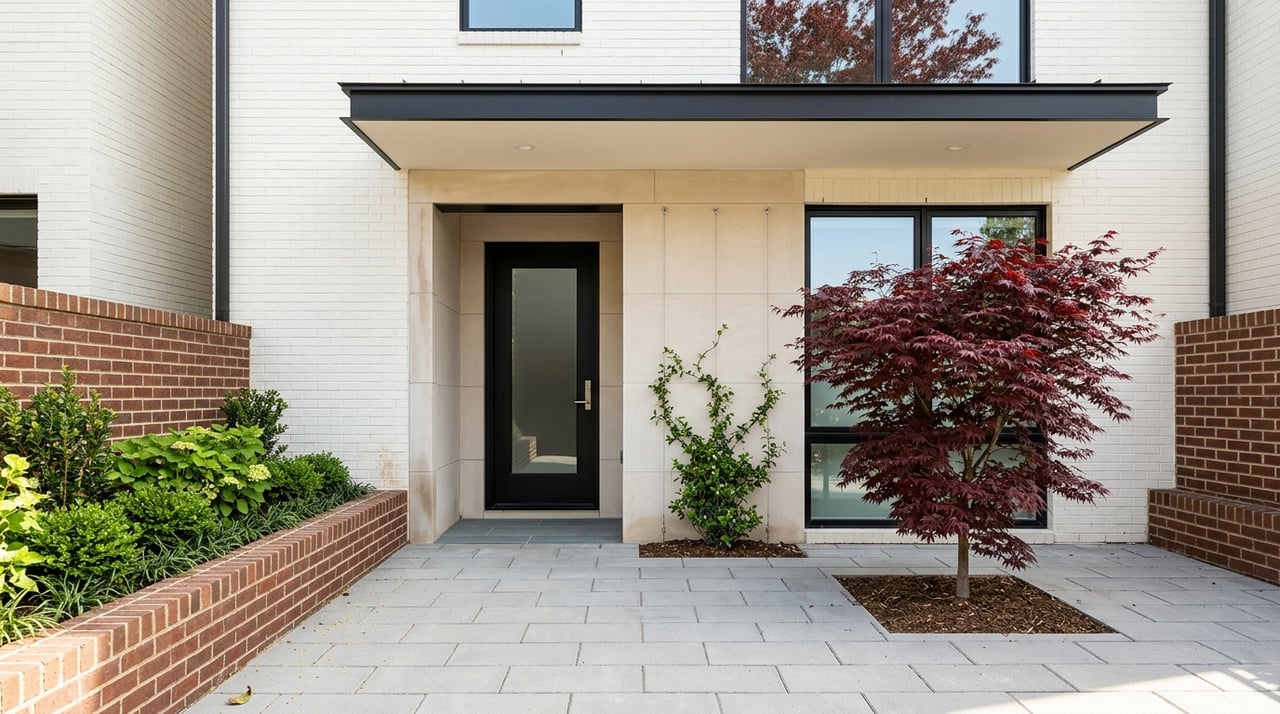
Sandy Springs Micro Market Trends Where Demand Is Strongest
If you look at Sandy Springs as one big housing market, you can miss what matters most. Demand here is not evenly spread across the city, and the difference between one pocket and the next can shape your price, timing, and strategy in a major way. Whether you are buying, selling, or trying to decide where to focus, understanding these micro-markets can help you move with more confidence. Let’s dive in.
Sandy Springs looks fairly balanced at the city level, but the numbers do not tell one simple story. In spring 2026, reported median prices clustered around the high $600,000s, days on market ranged from about 41 to 45 days, and sale-to-list performance sat near 99% based on the sources in the research. That points to a market with steady activity, but not one where every neighborhood behaves the same way.
That makes local context especially important. Sandy Springs has a professional, commute-sensitive buyer base, with median household income above $104,000, a high share of residents with bachelor’s degrees or higher, and an average commute of 25.8 minutes. In practical terms, buyers often weigh time, convenience, design, and long-term value very carefully here.
The strongest demand in Sandy Springs tends to show up where three things overlap: commute access, limited land supply, and lifestyle fit. In some areas that means transit convenience and low-maintenance living. In others, it means scarce river-adjacent homes or established neighborhoods where buyers are willing to pay for location and upside.
Instead of asking whether Sandy Springs is a buyer’s market or seller’s market, it is usually better to ask which pocket you are looking at. That is where the clearest opportunities and the strongest pricing power tend to show up.
Perimeter Center stands out as Sandy Springs’ commute-first micro-market. The city identifies Central Perimeter as a regional employment center, and the Sandy Springs portion includes millions of square feet of office and retail space along with thousands of housing units. For buyers who want easier access to work, shopping, and transit, this area checks a lot of boxes.
Sandy Springs also benefits from its location at I-285 and GA 400, plus four MARTA rail stations and bus service within the city. That transportation network gives Perimeter Center a clear edge for people who value time savings over lot size. It is one of the most obvious fits for condo and townhome buyers, downsizers, and buyers looking for lower-maintenance ownership.
In April 2026, Redfin reported a median sale price of $342,323 in Perimeter Center, with 107 days on market. Realtor.com showed a median listing price of $360,000, along with 44 homes for sale and 107 rentals. Compared with many other Sandy Springs pockets, this is a more renter-heavy, attached-housing market with longer market times.
That does not mean demand is weak. It means demand here is more selective and often tied to price point, convenience, and unit-specific features. Updated interiors, practical layouts, and easy living tend to matter a lot because buyers in this segment often compare several similar options at once.
If you are selling in Perimeter Center, your strongest story is usually convenience. Buyers are often responding to a lifestyle that includes transit access, shorter commutes, and less day-to-day upkeep. Clean presentation, modern finishes, and a polished move-in-ready feel can help a listing stand out in a competitive attached-home field.
The Chattahoochee River corridor is one of the clearest examples of premium demand in Sandy Springs. The city defines the river corridor as property within 2,000 feet of the river, and regulations include a 50-foot undisturbed buffer and a 150-foot impervious setback. Those land-use limits reduce what can be changed or added near the river, which helps preserve scarcity.
At the same time, Sandy Springs promotes more than 20 miles of Chattahoochee shoreline and access to park areas such as Island Ford, Powers Island, and East Palisades. That combination of protected land, outdoor appeal, and limited supply helps explain why river-adjacent homes often hold strong buyer interest.
In Riverside, Redfin reported an April 2026 median sale price of $954,645 with 39 days on market. Huntcliff remained above the $1 million mark, with a reported median sale price of $1.1 million and 28.5 days on market. Those figures show how buyers continue to place a premium on well-sited homes in this part of the city.
These pockets do not compete primarily on entry price. They compete on setting, privacy, lot quality, and the feel of the property itself. When a home is well maintained and thoughtfully presented, demand can be especially durable here because there are simply fewer true substitutes.
In the river corridor, details matter. Buyers tend to notice how a home relates to its site, how private it feels, and whether the outdoor setting adds to daily living. Strong presentation, a clear sense of care, and design choices that support the home’s natural setting can help reinforce value in these premium micro-markets.
Not every strong opportunity in Sandy Springs sits at the top of the price range. Older neighborhoods in transition often appeal to buyers who want access, space, and renovation potential without paying river-corridor pricing. The city’s planning documents describe Roswell Road South as a corridor with older shopping centers and a broad mix of uses, while the Crossroads area is treated as a long-term evolution zone.
This kind of setting often attracts buyers who can see past dated finishes and focus on location, layout, and upside. If you are comfortable taking on updates over time, these areas can offer a more accessible path into Sandy Springs.
North Springs is one of the strongest examples of this value-oriented segment. Redfin reported a median sale price of $312,334, 37 days on market, and 50 sales in April 2026. Realtor.com showed 74 homes for sale, 57 rentals, and a median listing price of $266,000.
That mix suggests broader choice and a wider range of product than you find in the tighter premium pockets. Buyers here often respond to practical value, access, and the chance to improve a property over time. For design-oriented buyers, this can be one of the most interesting parts of the market.
In transition areas, buyers often compare homes based on how much work they need. A property with updated finishes, better flow, and stronger curb appeal can stand apart quickly because the surrounding inventory may vary widely in condition. This is where smart preparation and realistic design improvements can materially affect how a home is perceived.
Commute patterns play a major role in how Sandy Springs micro-markets perform. The city’s access to I-285, GA 400, MARTA rail, and bus routes makes certain neighborhoods especially attractive to buyers who want to reduce travel time. In those cases, location convenience can outweigh the appeal of a larger lot or a quieter setting.
That is one reason Perimeter Center behaves differently from the river corridor. One market rewards efficiency and low-maintenance living, while the other rewards scarcity and setting. Neither is universally better. Each simply serves a different buyer priority.
School patterns also help support demand in some Sandy Springs neighborhoods. High Point Elementary is an IB PYP World School and part of what Fulton County describes as the district’s first complete IB feeder pattern. Riverwood International Charter School offers IB programmes, AVID, and Talented and Gifted, while North Springs High School includes STEAM, Creative Arts, and Accelerated Career diploma options.
For many buyers, access to these program pathways helps shape where they focus their search. That does not make every nearby neighborhood perform the same way, but it can support resilience in move-up and renovation-oriented pockets where location and long-term fit matter.
If you are buying in Sandy Springs, your best move is to match your priorities to the right pocket instead of chasing citywide averages.
The key is to know what trade-offs you are making. In Sandy Springs, price, speed, and competition often make more sense when you evaluate them at the neighborhood level.
Sellers should market to the logic of their specific micro-market. A generic approach can leave money on the table, especially in a city where buyers compare neighborhoods for very different reasons. The strongest listings usually connect presentation to the exact type of demand active in that pocket.
For example, a Perimeter property may benefit most from a low-maintenance, lock-and-leave story. A river-area home may need stronger emphasis on setting, privacy, and lot features. In older or transition neighborhoods, thoughtful updates, staging, and improved function can make a bigger difference because buyers are actively judging how much future work a home requires.
That is where a design-minded strategy can become especially valuable. When the market is balanced rather than overheated, the homes that feel best prepared often gain the clearest advantage.
If you want a sharper read on where your home fits or which Sandy Springs pocket matches your goals, a local, design-forward strategy can make the decision process much clearer. Darron O'Bonnon Real Estate offers calm, informed guidance for buyers and sellers who want to position, prepare, and negotiate with confidence.
Whether you're in the research phase at the beginning of your real estate search or know exactly what you're looking for, you'll benefit from having a real estate professional.